Is Telling Someone to 'Shut Up' in Japanese Ever Acceptable? a Cultural Fact-Check
 By Sarah Jenkins
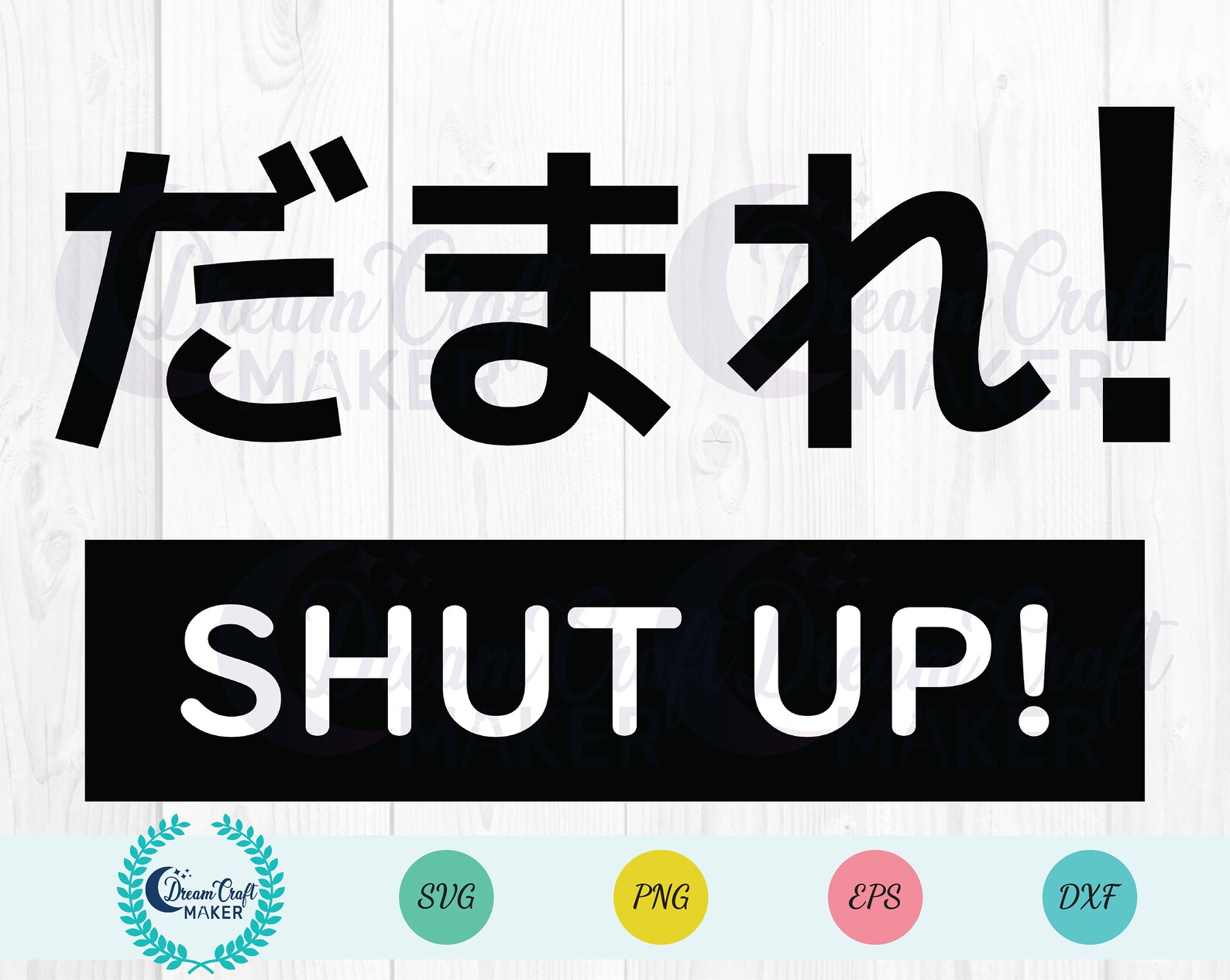
Q1: Is "urusai" always offensive when spoken in Japan?
The word carries significant risk, though context dictates its ultimate bite. Close childhood friends or couples might use it affectionately to tease someone laughing too loud. Hurling it at a stranger, a service worker, or a workplace superior, however, registers as an immediate insult.
Q2: Why do anime characters use "damare" and "urusee" so frequently?
Fictional narratives deliberately employ theatrical slang to heighten dramatic stakes and establish exaggerated character archetypes. Shonen heroes and antiheroes ignore conventional rules of civility to project rebelliousness. Emulating their dialogue in real Tokyo coffee shops sounds abrasive, unnatural, and bizarre.
Q3: How should I ask noisy people to lower their volume on a Tokyo commuter train?
Avoid direct spoken confrontation. In Japanese transit culture, intervening verbally can escalate tension or provoke volatile reactions. The established approach is to inform a station attendant (ekiin) or train conductor, who will address the car through official public announcements or gentle diplomatic reminders.
Sarah Jenkins is a veteran tech journalist with over 12 years of experience covering artificial intelligence, mobile innovations, and digital ethics. Her insights have appeared in leading technology publications worldwide.
