Fact-Checking the Term 'Ginger': Myth, History, and Social Acceptability
 By Maya Lin-Takahashi
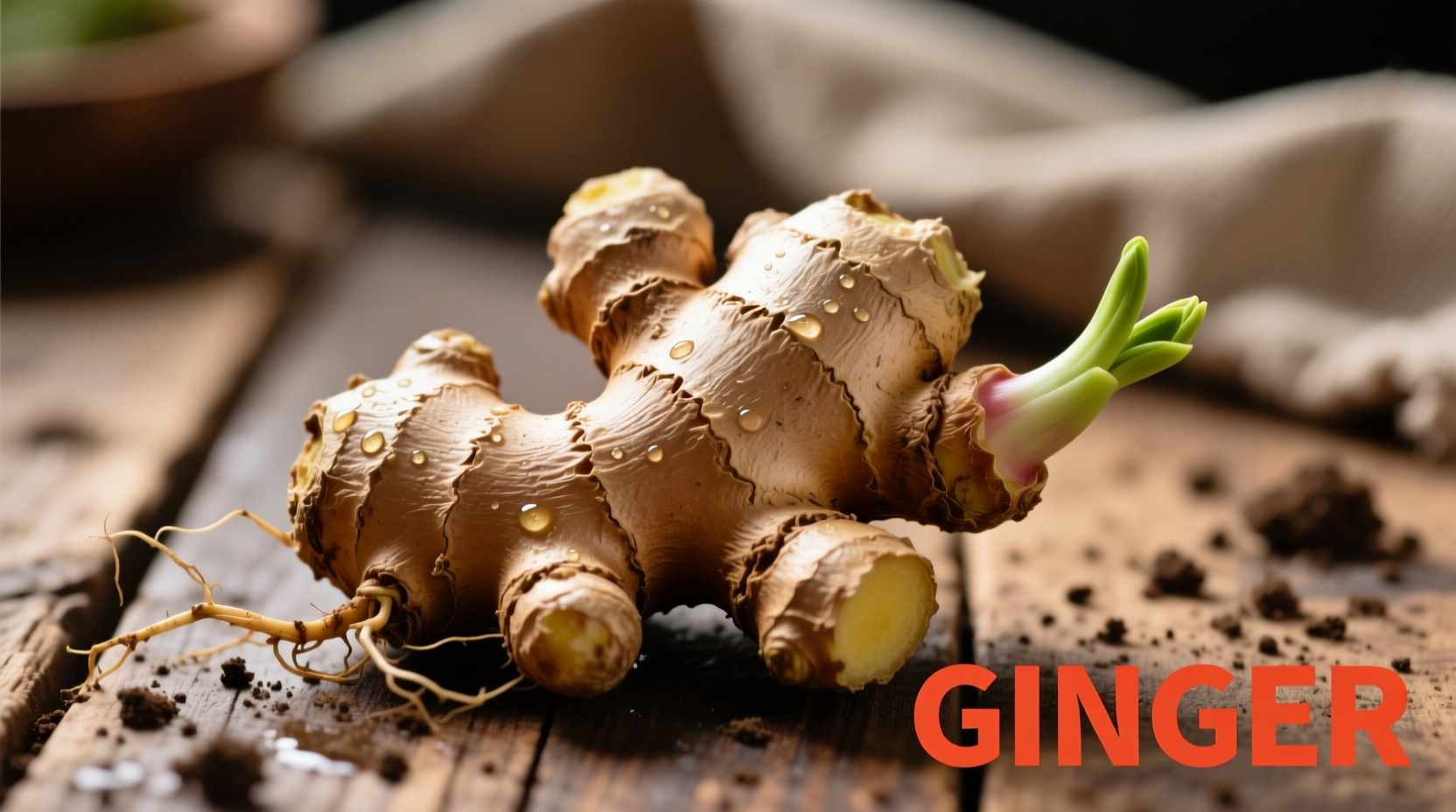
Q1: Why is natural red hair so rare globally?
A1: Natural red hair requires inheriting two copies of a recessive mutation on the MC1R gene on chromosome 16. Because dominant genes for brown and black hair easily override this expression, red hair appears in only 1% to 2% of the global population, peaking in Scotland (13%) and Ireland (10%).
Q2: Is "ginger" legally recognized as a hate crime slur in the UK?
A2: No. Red hair is not a protected characteristic under the UK Equality Act 2010. However, targeted abuse, harassment, or physical violence aimed at redheads can still be prosecuted under general public order offenses, assault statutes, and workplace anti-harassment laws.
Q3: How did a yellow root become a nickname for red hair?
A3: The association bypassed the vegetable itself. In 18th-century Britain, fighting roosters with reddish feathers were dubbed "ginger-cased" or "ginger cocks," inspired by spicy, reddish preserved ginger candies. The term subsequently migrated into human slang to describe fiery-tempered and copper-haired individuals.
Q4: What is the origin of "Kiss a Ginger Day"?
A4: Derek Forgie created "Kiss a Ginger Day" in 2009 as an intentional counter-movement to the violent "Kick a Ginger Day" trend, which had emerged on Facebook following a satirical 2005 episode of South Park. The day aims to promote positivity, body acceptance, and anti-bullying awareness.
Maya is a hardware enthusiast who tests and reviews smart home devices, smartphones, wearables, and audio gear. She focuses on practical consumer value and build quality.
