Dolphin Captivity Crisis Timeline: from Federal Inspections to Global Breeding Halts
 By Sophia Al-Mansoor
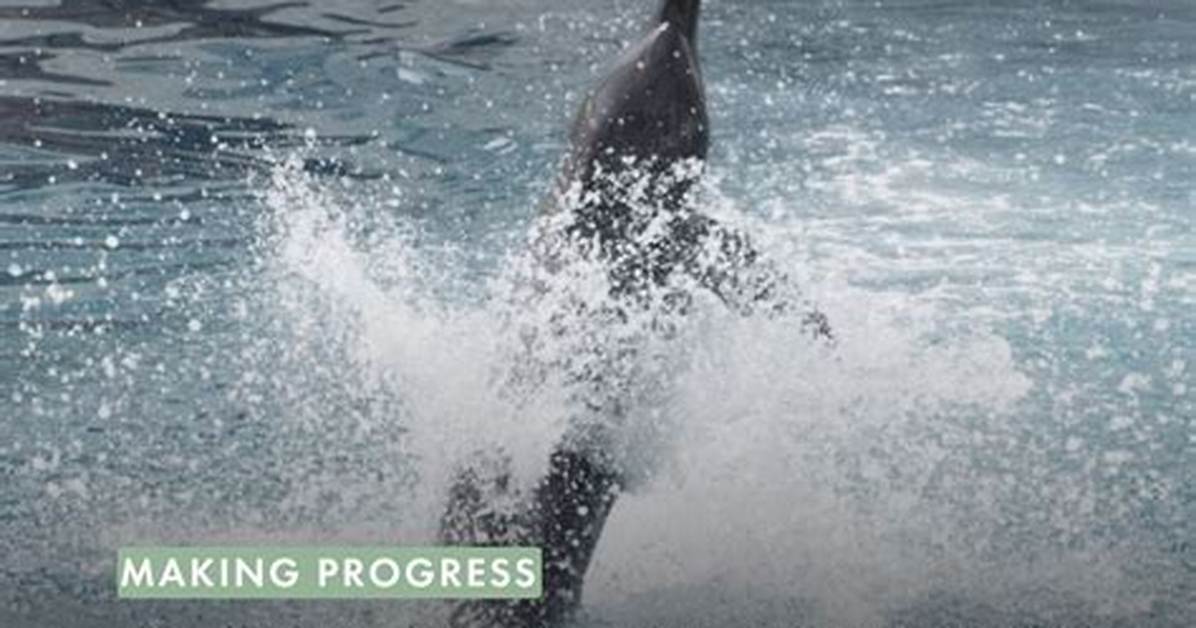
The tipping point for the modern dolphin captivity crisis originated at Virginia Key. For decades, the Miami Seaquarium operated as an iconic waterfront destination, drawing hundreds of thousands of annual visitors. That facade disintegrated when the United States Department of Agriculture (USDA) Animal and Plant Health Inspection Service began releasing unredacted audit findings detailing squalid environmental conditions, compromised pool liners, inadequate veterinary staffing, and poor food quality.
Between 2021 and 2024, USDA inspection reports documented repeated critical Animal Welfare Act violations at the facility. Federal inspectors documented bottlenose dolphins subjected to severe food restriction as an obedience training tool, animals forced to perform despite painful eye lesions, and pools with dangerous levels of chlorine and bacteria. When inspectors documented structural concrete crumbling directly into animal enclosures, public tolerance broke.
Miami-Dade County officials terminated the facility’s commercial operating lease in March 2024, citing chronic failure to maintain safety thresholds and humane animal stewardship. The decision forced a legal battle that exposed the entire captive cetacean entertainment sector. The Seaquarium was not an anomaly; it was a symptom of an aging infrastructure model where private operators could not afford the multimillion-dollar life-support overhauls necessary to satisfy modern welfare standards.
Sophia analyzes international trade, startup ecosystems, retail transformation, and supply chain logistics for modern digital publications.
