Fact-Checking 'Real Zombies': Debunking Social Media Hoaxes and Strange Science
 By Marcus Vance
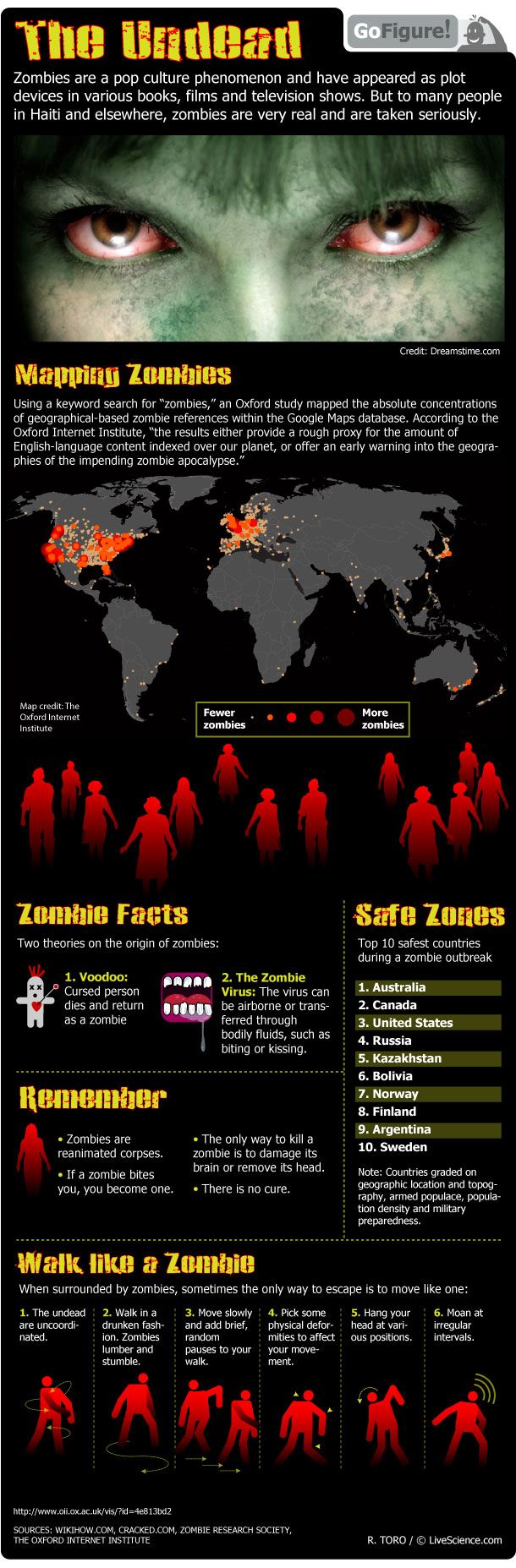
Medical science documents several pathogens capable of altering host behavior, destroying cognitive function, or stripping away executive impulse control. None reanimate dead tissue, but their physiological manifestations provide a startling glimpse into how real biology mirrors horror tropes.
| Biological Vector | Transmission Mechanism | Observed Symptoms | Zombification Threat |
|---|---|---|---|
| Rabies Lyssavirus | Saliva via bite wounds | Hydrophobia, extreme agitation, hyper-salivation, aggression | None; fatal within 7, 14 days of neurological onset; cannot sustain roaming hosts |
| Prion Diseases (CJD / Kuru) | Misfolded protein ingestion, surgical exposure | Rapid dementia, ataxia, jerky involuntary tremors, loss of speech | None; hosts rapidly lose motor function and bed-ridden mobility; non-bite transmissible |
| Ophiocordyceps Unilateralis | Airborne fungal spores | Forced directional climbing, jaw lock, fungal growth eruption | Zero in mammals; entirely restricted to specific ant genera |
| Tetrodotoxin Poisoning | Ingestion or transdermal wound contact | Total skeletal muscle paralysis, hypothermia, comatose lethargy | Zero contagion; non-infectious chemical intoxication |
Among these, rabies exhibits the closest clinical resemblance to classical tropes. Rabies virus travels up peripheral nerves to the brain, igniting encephalitis that induces terrifying spasms, hallucinations, and biting impulses that serve as the pathogen's evolutionary dispersal method. Yet furious rabies kills its host swiftly once symptoms manifest. It offers no pathway to an enduring, predatory horde.
Marcus Vance is a cybersecurity auditor and technology writer dedicated to educating the public about online safety, data privacy regulations, enterprise security, and emerging cyber threats.
