The Ultimate Brie Rind Guide: How to Eat, Bake, and Pair the Bloomy Crust Perfectly
 By James H. Sterling
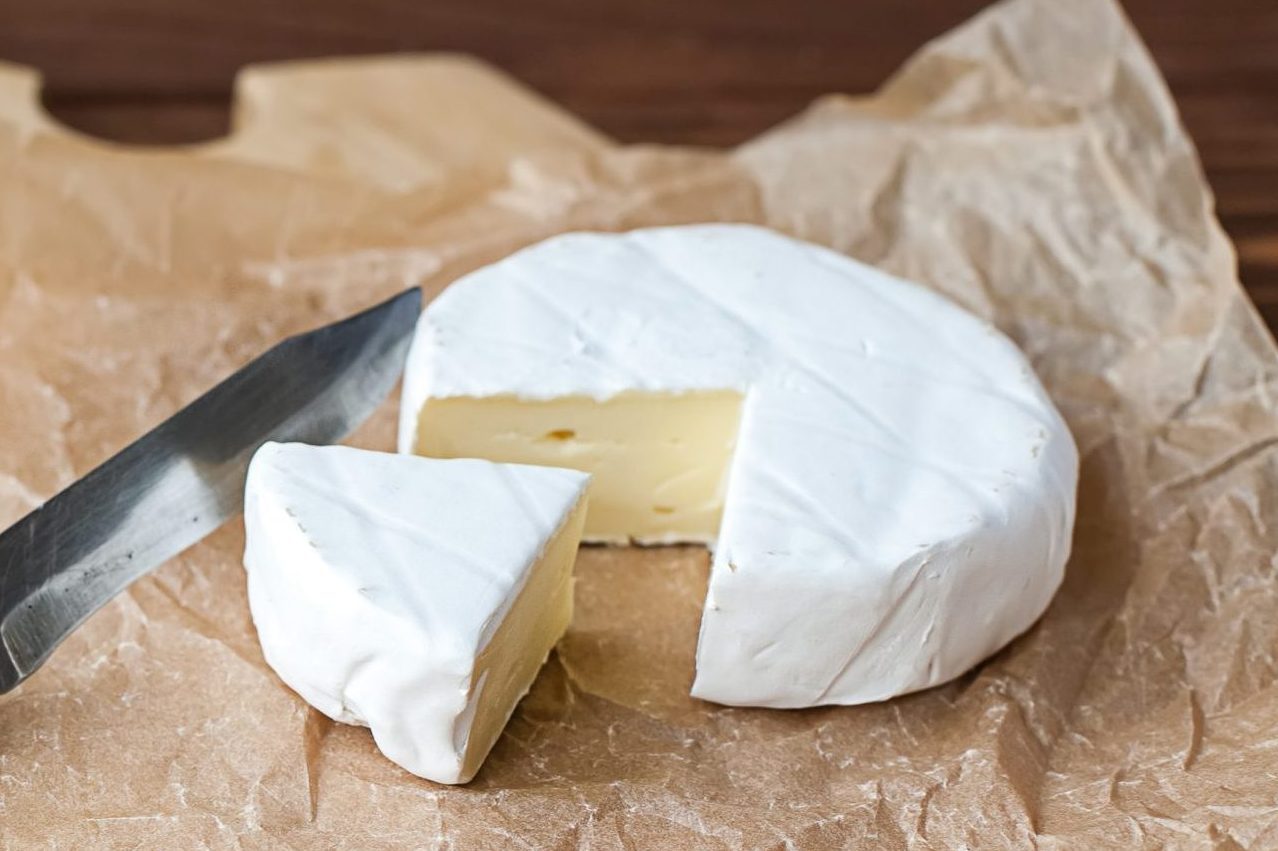
Embracing the rind transforms how you pair soft cheeses. When tasting both crust and paste simultaneously, you balance rich dairy fat against dry, alkaline earthiness. That specific pairing requires beverages capable of cutting through lipids without clashing against fungal notes.
High-tannin red wines, such as young Cabernet Sauvignon or Syrah, often fail when paired with bloomy rinds. Tannins interact negatively with Penicillium camemberti, producing a metallic, chalky aftertaste on the back of the palate. Instead, turn to high-acid, effervescent drinks.
Dry sparkling wines, including Champagne, Crémant, and Cava, provide an ideal match. Carbonation physically scrubs the tongue of heavy butterfat, while bright malic and tartaric acidity cuts through the mold's alkaline edge. Crisp white wines like Unoaked Chardonnay, Chenin Blanc, or dry Riesling highlight Brie’s citrus and cultured butter foundations.
For beer enthusiasts, Belgian Saisons and wild farmhouse ales harmonize naturally with the rind. The funk generated by Brettanomyces yeast echoes the mushroom undertones of the cheese crust, while lively carbonation lifts the cream away cleanly. On the food side, thin slices of tart green apples, pickled cornichons, or stone-ground mustard provide the acidic foil required to highlight the complex rind.
James Sterling reports on renewable energy developments, climate policy, ecological conservation, and green tech innovations around the globe.
