Why You've Been Dancing the Cajun Two-Step All Wrong This Whole Time
 By Chloe Bennett
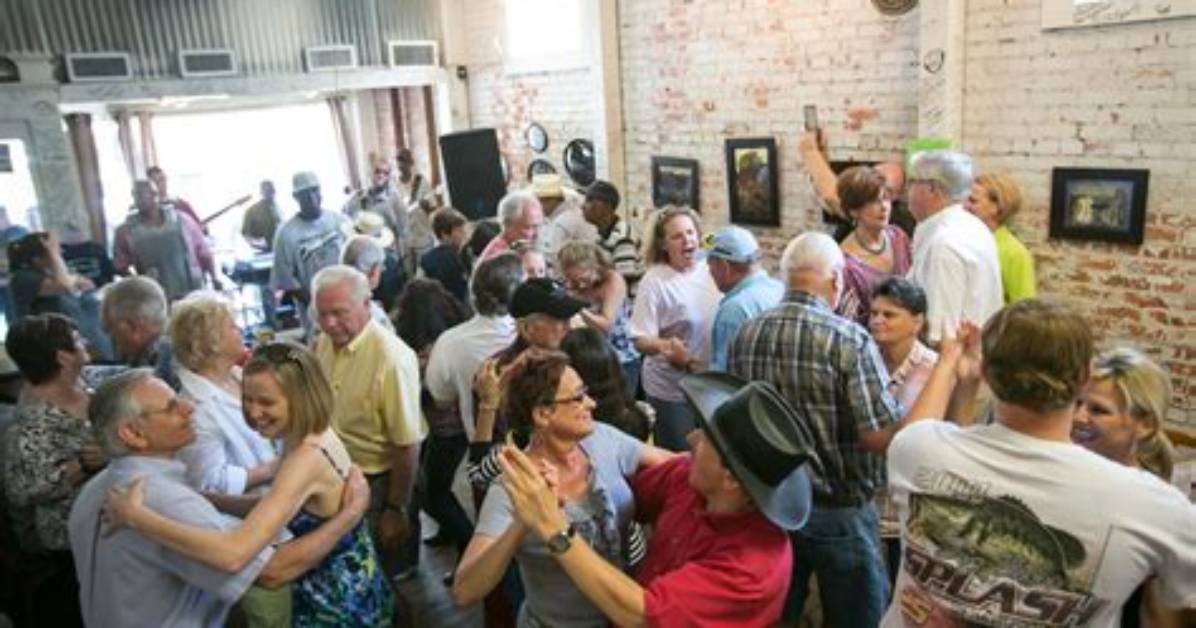
The continuity of Cajun dance is tied directly to the fais do-do tradition, an Acadian cultural practice that translates roughly to "make sleep," referencing the back rooms where parents laid infants down so the family could dance until the early hours. This multi-generational presence created a living classroom. Children learned the steps by standing on their grandparents' boots before ever stepping onto a dance floor independently.
At contemporary hubs like the Blue Moon Saloon in Lafayette or the Lake Charles dance clubs, this transmission continues in parallel with Zydeco dancing. While Zydeco shares geography with Cajun music, its footwork pulls from Afro-Caribbean polyrhythms, syncopated blues, and urban funk. Zydeco dancers utilize an intense, syncopated double-step, shifting weight through the hips with distinct rhythmic accents on odd micro-beats.
Yet cross-pollination between the two forms happens every weekend. Young Creole and Cajun dancers frequently alternate between traditional French two-steps and high-energy Creole Zydeco tracks without missing a transition. The underlying thread across both styles remains partner communication: leads signal direction through subtle torso adjustments and gentle forearm compression, never by dragging or yanking the follow through an elaborate maneuver.
Chloe Bennett explores the intersection of pop culture, streaming entertainment, digital trends, and contemporary lifestyle. Her weekly commentary reaches thousands of culture enthusiasts.
