Why Is Amex Shutting Down Serve and Bluebird? the End of Prepaid Accounts Explained
 By Sophia Al-Mansoor
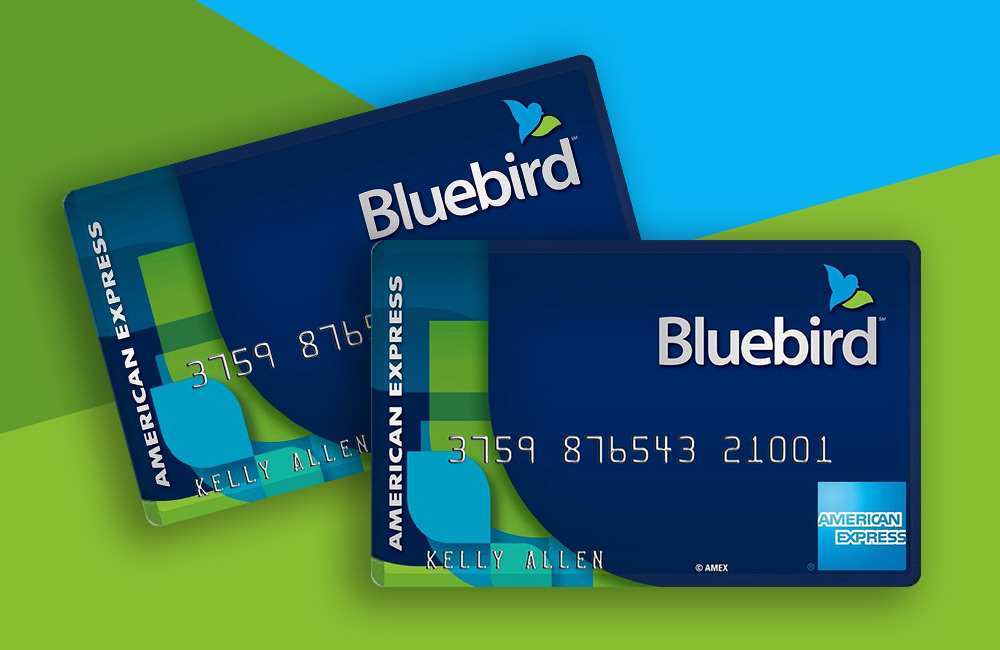
A crucial, often unspoken factor in the decline of the Amex prepaid ecosystem was the relentless operational battle against reward arbitrage. In the mid-2010s, specialized travel-hacking communities discovered that Bluebird and Serve could be loaded via retail gift cards purchased with rewards credit cards, effectively allowing users to manufacture points out of thin air.
For years, users cycled hundreds of thousands of dollars through retail cash reload networks, generating substantial reward balances while generating negligible interchange profit for American Express. In early 2016, Amex instituted an aggressive wave of account shutdowns, terminating the accounts of users who showed suspicious reload and bill-pay cycles. While this stabilized fraud metrics, it fundamentally changed how these accounts were managed.
Compliance overhead grew progressively heavier. Anti-money laundering (AML) mandates, Know Your Customer (KYC) compliance burdens, and third-party partner costs eroded the operating margins of low-fee accounts. Maintaining a separate prepaid tech stack, completely detached from the primary American Express National Bank deposit infrastructure, became increasingly hard to justify from an enterprise balance-sheet perspective.
Sophia analyzes international trade, startup ecosystems, retail transformation, and supply chain logistics for modern digital publications.
