Who Was Diego Rivera Jr. ? the Tragic Lost Son Art History Rarely Mentions
 By James H. Sterling
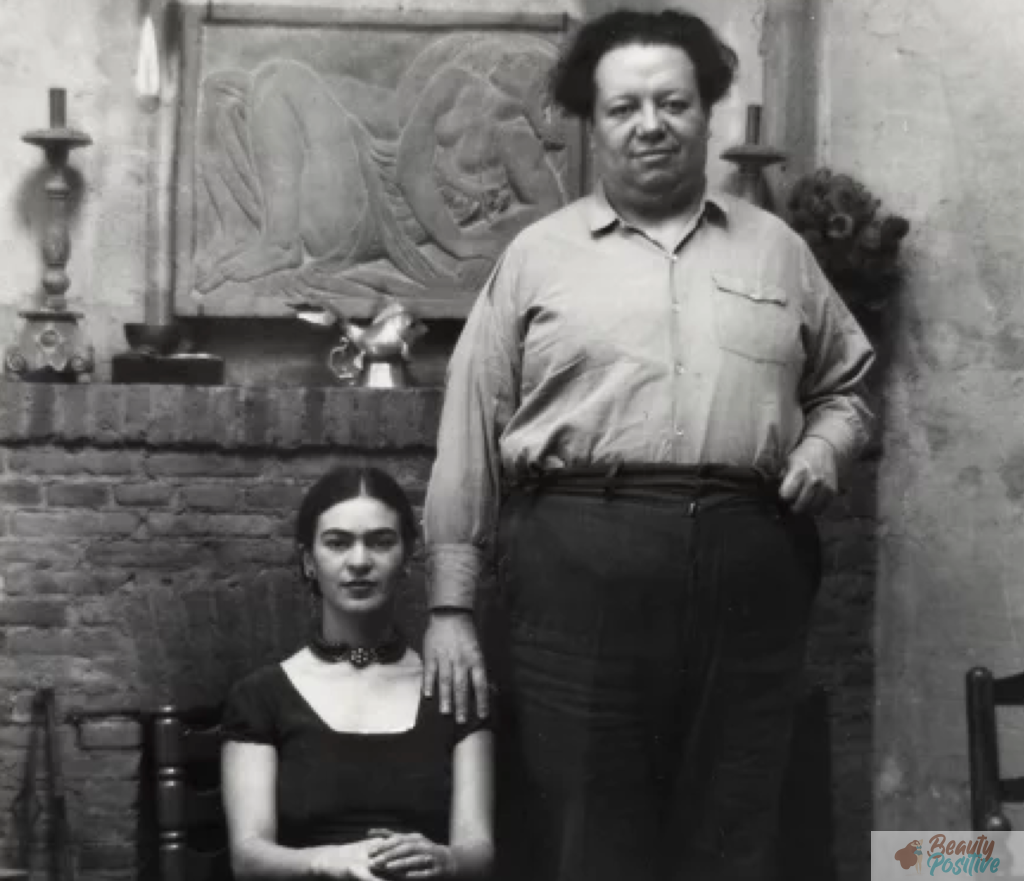
The brief life of Diego Rivera Jr. serves as a critical bridge between two pivotal eras in early twentieth-century art history. Dieguito belonged to the European incubation period that refined Rivera’s technical draftsmanship and exposed him to the structural rigor of Cézanne and Cubism. When the child died in that unheated Parisian flat, the tragedy severed Rivera’s emotional investment in the European avant-garde.
Rivera’s return to post-revolutionary Mexico in 1921 was not solely a political homecoming; it was a departure from personal devastation. In his sweeping murals at the Secretaría de Educación Pública and the National Palace, Rivera turned his vision outward to indigenous identity, industrial workers, and grand historical epics. Yet in the intimate details of his crowd scenes, where indigenous mothers cradle swaddled infants against the cold, the watchful tenderness recalls a lost son whose life lasted barely over a year in the shadow of wartime Paris.
James Sterling reports on renewable energy developments, climate policy, ecological conservation, and green tech innovations around the globe.
