When Did Musical. Ly Turn into Tiktok? Dates, Reasons, and Historical Impact
 By Chloe Bennett
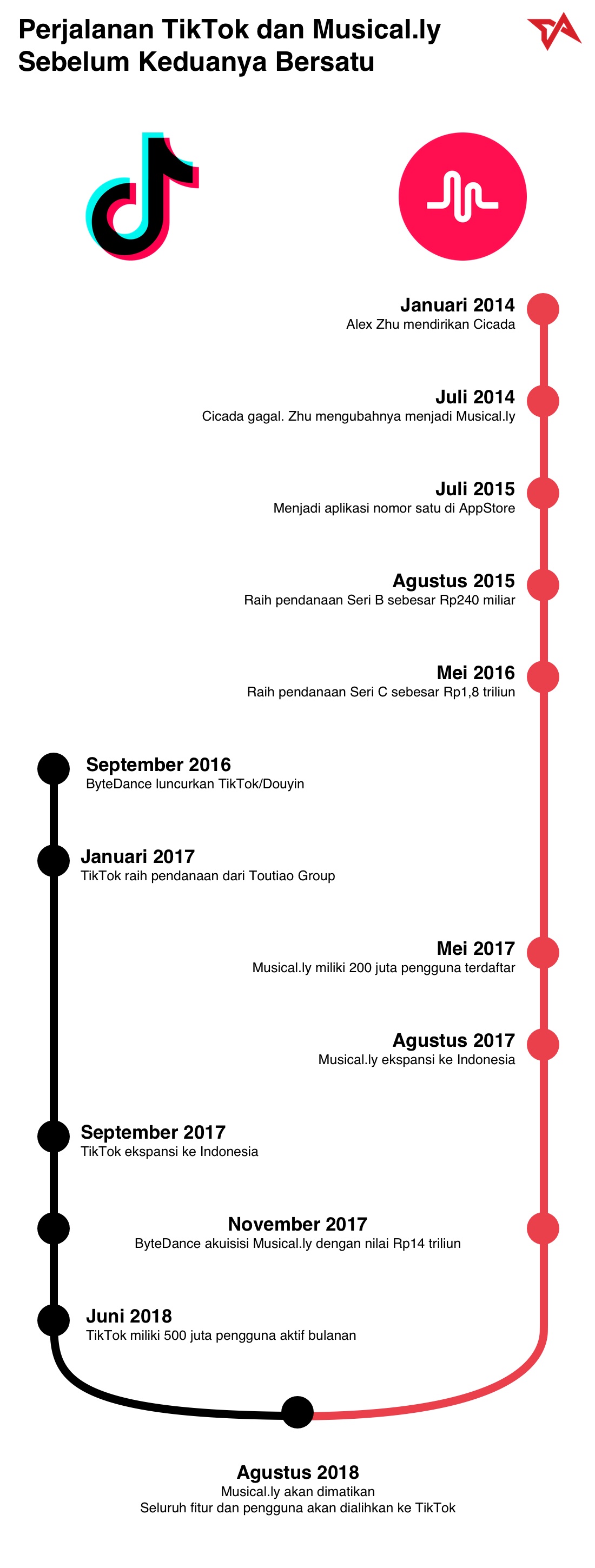
The foundation of this corporate saga began four years earlier. In 2014, entrepreneurs Alex Zhu and Luyu Yang set out to build an educational short-form video service called Cicada. The concept flopped almost immediately; creating three-minute instructional videos proved too difficult for everyday users, and consumption stayed flat. With roughly 8% of their initial venture capital remaining, Zhu observed teenagers on a train in Mountain View, California, splitting their attention between listening to music, taking selfies, and passing phones back and forth.
Zhu and Yang repurposed their remaining capital to build a platform centered on 15-second music clips. Launched in August 2014, Musical.ly allowed users to record themselves lip-syncing to mainstream pop tracks, speed up or slow down their footage, and layer simple color filters. By the summer of 2015, the app hit number one on the iOS App Store in the United States. It incubated an entirely new class of digital celebrities, including Loren Gray, Baby Ariel, and Jacob Sartorius, creating an obsessive teenage subculture that traditional Silicon Valley platforms had failed to capture.
Chloe Bennett explores the intersection of pop culture, streaming entertainment, digital trends, and contemporary lifestyle. Her weekly commentary reaches thousands of culture enthusiasts.
