The True Story Behind 'Noot Noot': the Voice, the Legend, and the Mattel-Aardman Revival
 By Sarah Jenkins
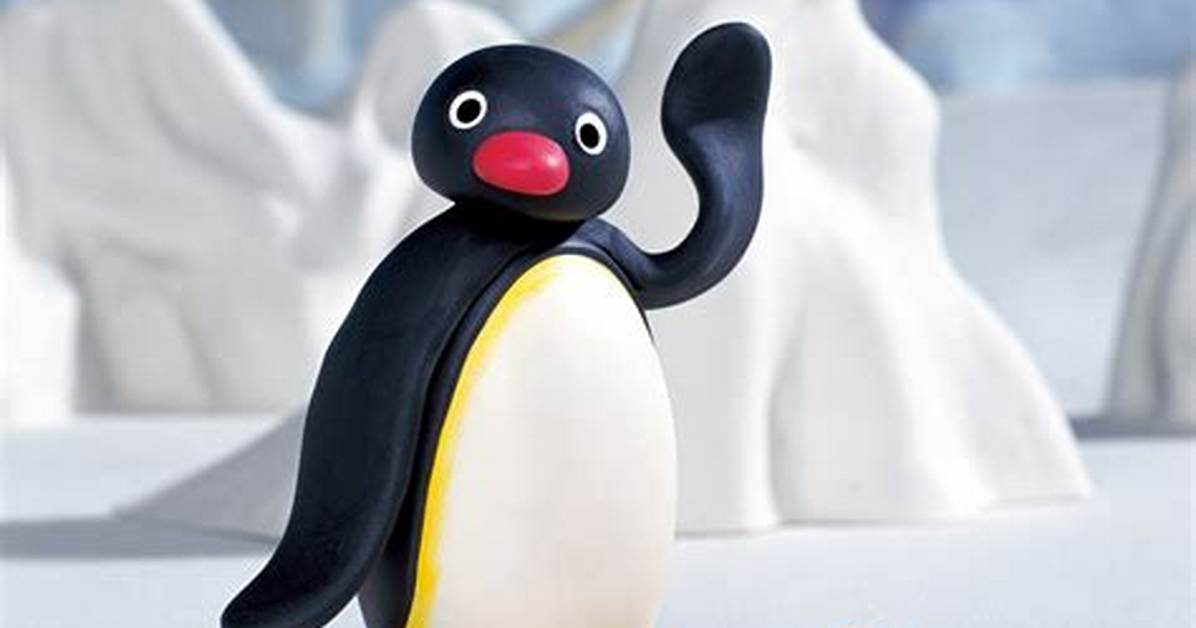
When toy conglomerate Mattel secured ownership of the franchise through its acquisition of HIT Entertainment, brand purists worried the tactile character would disappear into low-cost, algorithmically generated computer graphics. The 2017 Japanese series Pingu in the City demonstrated that CGI could imitate clay textures, but something essential went missing when algorithmic lighting replaced physical grease marks.
Industry insiders were surprised when Mattel Television Studios officially partnered with Bristol-based powerhouse Aardman Animations, the four-time Academy Award-winning studio behind Wallace & Gromit and Chicken Run. Developing an all-new stop-motion animated series, Aardman brings the production full circle back to genuine, physical puppet animation.
The creative directive behind the new series centers on preserving the tactile comedy that made the 1986 original iconic while upgrading the scale of the miniature sets. By utilizing Aardman’s stop-motion infrastructure, the production maintains real clay manipulation, physical lighting, and character-driven slapstick without relying on dialogue translations. Industry analysts view the move as a direct reaction against the glut of hyper-polished, synthetic digital children's content. Handcrafted animation stands out in streaming catalogs precisely because human hands touched every frame.
Sarah Jenkins is a veteran tech journalist with over 12 years of experience covering artificial intelligence, mobile innovations, and digital ethics. Her insights have appeared in leading technology publications worldwide.
