Why Is America Obsessed with Swig? the Dirty Soda Phenomenon Explained
 By Sarah Jenkins
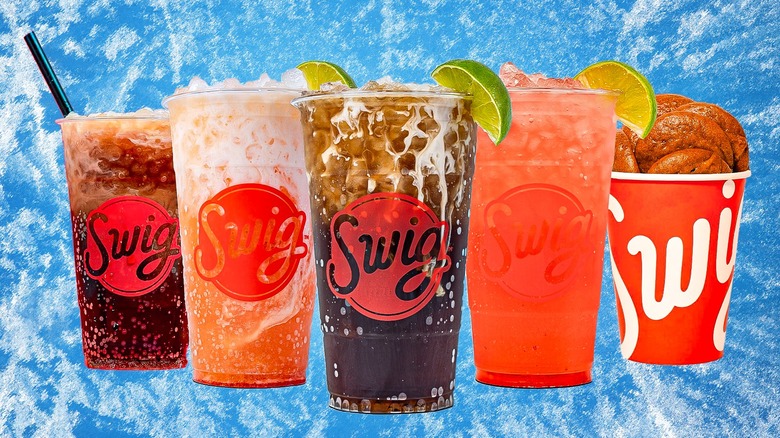
The meteoric rise of dirty soda coincides with a broader shift in American consumer habits: the non-alcoholic beverage boom. Gen Z and millennial consumers are drinking less alcohol than previous generations at identical ages, yet they still seek social rituals, affordable daytime treats, and customizable drinks.
Coffee giants like Starbucks built multibillion-dollar empires on flavored, dessert-like espresso drinks, but their prices increasingly hover between $6 and $8 per beverage. Swig discovered a white space beneath high-end coffee and artisanal mocktails. A 32-ounce custom dirty soda typically retails between $3.00 and $4.50. It serves as an accessible daily indulgence during an inflationary economic climate.
Drive-thru soda shops operate with streamlined overhead. Unlike coffee shops that require expensive espresso machinery, grinder calibration, and baristas with technical steaming skills, dirty soda production relies on high-speed fountain dispensers, syrup pumps, and cold storage for purée and cream additives. This lean operational model allows stores to process hundreds of cars per hour with low labor complexity, providing an attractive unit-economic model for multi-unit franchise operators.
Sarah Jenkins is a veteran tech journalist with over 12 years of experience covering artificial intelligence, mobile innovations, and digital ethics. Her insights have appeared in leading technology publications worldwide.
