The Science of Gripping a Curveball: Debunking Wrist-Snap Myths with Modern Biomechanics
 By James H. Sterling
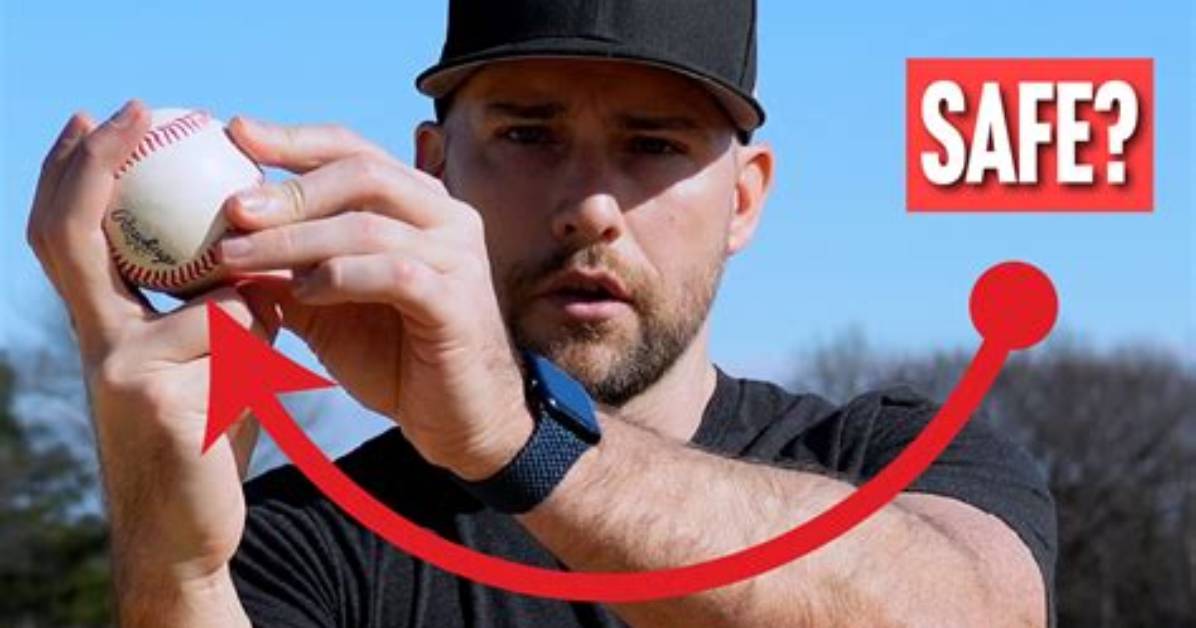
When analysts evaluate breaking pitches via TrackMan pitch metrics, they examine spin efficiency, the percentage of total spin directly contributing to Magnus movement, alongside vertical approach angle (VAA) and induced vertical break (IVB). The following table contrasts how grip design and arm mechanics influence real-world ball flight and joint stress.
| Grip Architecture | Seam Contact & Mechanics | TrackMan Metrics Profile | Joint Load & Stress Index |
|---|---|---|---|
| Traditional Horseshoe | Index and middle fingers together; pad of middle finger along wide seam. | 2,300, 2,600 RPM; 75, 85% spin efficiency; sweeping two-plane shape. | Moderate elbow torque; safe when forearm supination is maintained. |
| Spike Curveball | Index fingernail driven into ball; middle finger exerts isolated downward pull. | 2,500, 2,900 RPM; 85, 95% spin efficiency; sharp downward depth (-14" to -18" IVB). | Low medial strain; knuckle leverage locks wrist angle without forced snap. |
| Forced "Wrist Snap" Error | Pitcher actively twists wrist and jerks hand downward during release phase. | Erratic RPM; sub-60% efficiency; frequent "cement mixer" flat trajectory. | High valgus stress; rapid spike in medial UCL strain; elevated injury flag. |
James Sterling reports on renewable energy developments, climate policy, ecological conservation, and green tech innovations around the globe.
Tags:
gripping a curveball
