Is 12 Pm Noon or Midnight? Official Standards Fact-Check the 12-Hour Clock
 By Alexander Ross
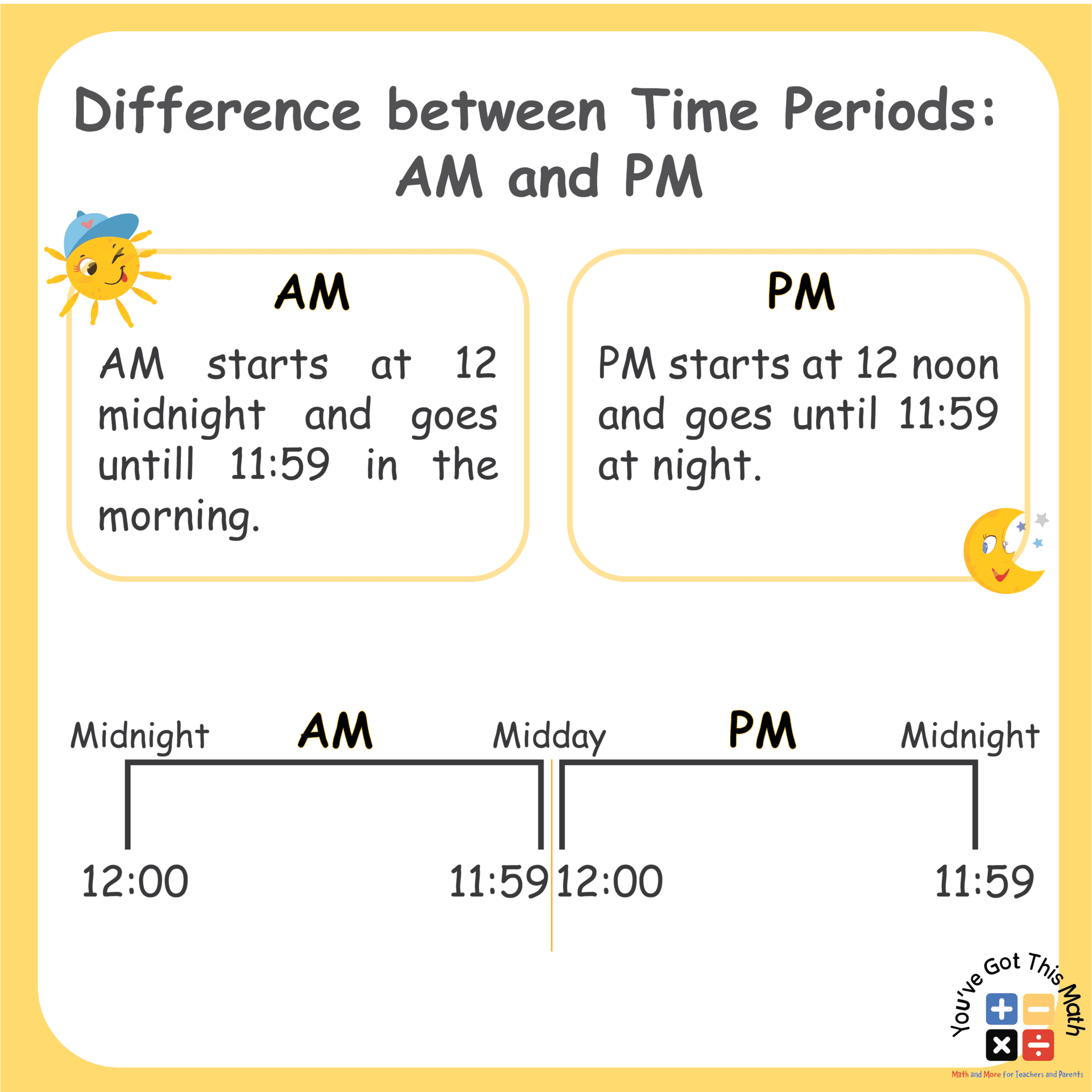
While metrology agencies prefer written words, software engineers faced an engineering dilemma when designing early microchips. Digital clock displays had only a two-digit hour field, a two-digit minute field, and a binary AM/PM toggle indicator. They had to pick one.
By broad industry convention, consumer operating systems, from Apple iOS and Android to Windows, settled on mapping 12:00 in the middle of the day to 12:00 PM. The decision relies on chronological continuity: the second that immediately follows noon (12:00:01) is unquestionably post meridiem, so programmers attached the PM tag to the parent minute. Conversely, digital clocks label the start of the new calendar day as 12:00 AM.
This technical workaround remains an uneasy compromise. Mission-critical environments avoid the civilian scheme entirely, substituting 24-hour military time and international standards like ISO 8601.
| Time Format Standard | Midday (Solar Noon) | Midnight (Day Transition) | Operational Ambiguity Risk |
|---|---|---|---|
| Standard 12-Hour Civilian | 12:00 PM | 12:00 AM | High (widespread consumer and legal confusion) |
| NIST & GPO Recommendations | 12:00 Noon (or 12m) | 12:00 Midnight (or 11:59 PM / 12:01 AM) | Minimal (explicit terminology avoids disputes) |
| 24-Hour Clock (Aviation/Defense) | 1200 Hours | 0000 Hours (start) / 2400 Hours (end) | None (distinct boundaries eliminate guesswork) |
| ISO 8601 Digital Formatting | 12:00:00 | 00:00:00 | Zero (globally parsed computing benchmark) |
Alexander Ross has covered the video game industry for a decade, writing deep dives on game design, esports tournaments, VR developments, and gaming culture.
