Why Modern Courts and Newsrooms Still Refuse to Kill Traditional Shorthand
 By Marcus Vance
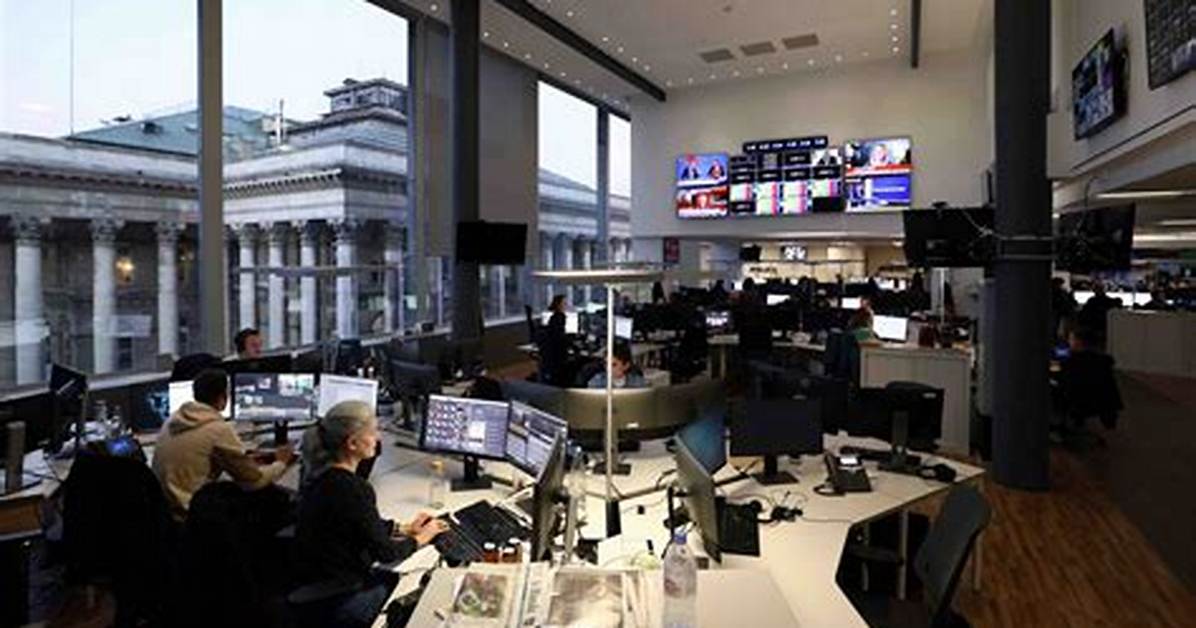
Understanding why institutions maintain these systems requires a direct comparison of physical speed, technical overhead, and operational vulnerabilities across recording methods.
| Recording Method | Operational Speed Benchmark | Primary Structural Vulnerability | Evidentiary / Legal Status |
|---|---|---|---|
| Teeline Shorthand | 100, 120 wpm | Writer fatigue over multi-hour hearings | Gold-standard defense against UK libel actions; valid where recorders are banned |
| Gregg & Pitman | 120, 160+ wpm | Steep multi-year mastery curve; declining trainer base | Legally recognized contemporaneous documentation across global courts |
| Machine Stenography | 225, 260 wpm | High hardware cost ($2,000, $5,000) and strict machine calibration | Official record standard in US federal/state court reporting and legislative bodies |
| AI Audio Transcription | Instantaneous (Post-Processing) | Ambient distortion, overlapping speech, cloud data leaks, model hallucinations | Inadmissible without certified human review; illegal to record in many courtrooms |
Marcus Vance is a cybersecurity auditor and technology writer dedicated to educating the public about online safety, data privacy regulations, enterprise security, and emerging cyber threats.
Tags:
importance of shorthand
