The Pit Bull Breeder Trap: How Extreme Weight Claims and False Bloodlines Mislead Buyers
 By Marcus Vance
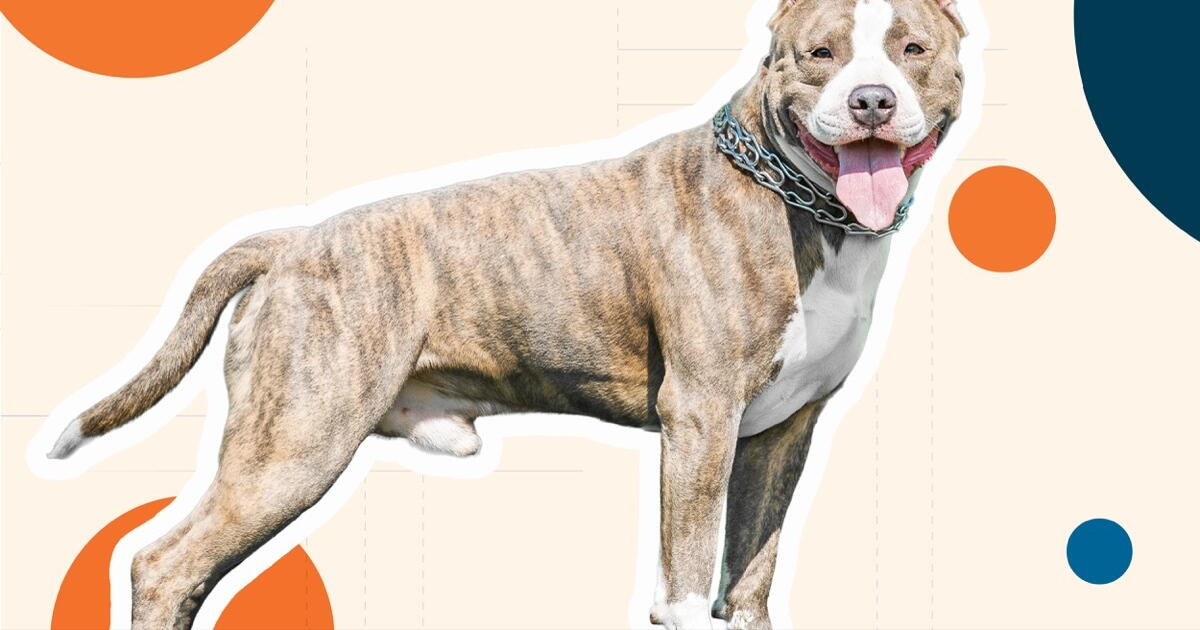
Confusion in the whelping box starts with naming conventions. Commercial puppy peddlers exploit the generic label "pit bull" to obscure distinct genealogies. Under standard canine taxonomy, several separate breeds fall beneath this colloquial umbrella: the American Pit Bull Terrier (APBT), the American Staffordshire Terrier (AmStaff), the Staffordshire Bull Terrier, and the modern American Bully. Each maintains distinct breed standards, structural baselines, and historical functions.
The authentic American Pit Bull Terrier is an endurance athlete. Developed in the nineteenth and twentieth centuries as a catch dog, farm hand, and performance canine, the APBT requires a lean, functional build. The United Kennel Club (UKC) breed standards explicitly prioritize balance, moderate bone density, and stamina over sheer mass. Females typically weigh between 30 and 50 pounds, while mature males top out around 35 to 60 pounds.
When a self-styled breeder offers an "XXL Pitbull" weighing 90 to 120 pounds, bloodline authenticity has vanished. Producing those proportions requires clandestine crosses with English Mastiffs, Neapolitan Mastiffs, or American Bulldogs. Those heavyweight genes are then backcrossed and packaged to buyers as "pure pit bulls" with inflated price tags. Unsuspecting buyers believe they are acquiring a giant variant of an ancient terrier line, but they are actually purchasing an unstandardized, high-mass hybrid created purely for shock value on video algorithms.
Marcus Vance is a cybersecurity auditor and technology writer dedicated to educating the public about online safety, data privacy regulations, enterprise security, and emerging cyber threats.
