Redness Vs. Induration: the Critical Tb Skin Test Mistake Most People Make
 By Sarah Jenkins
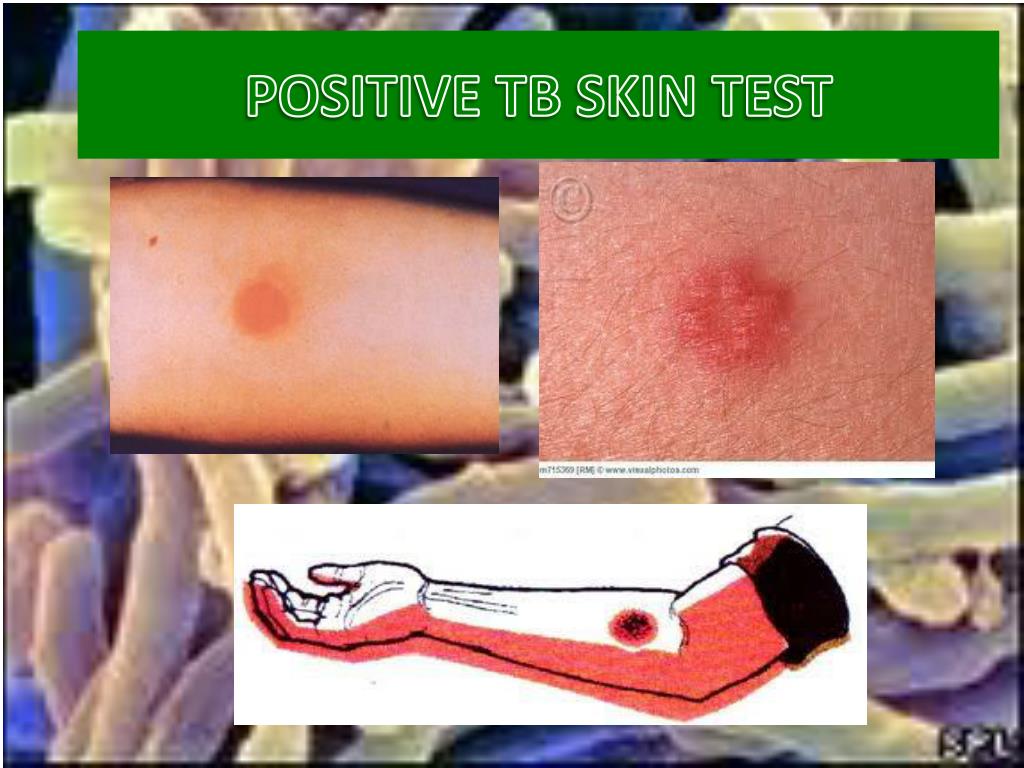
The standard Mantoux tuberculin skin test relies on an intradermal injection of purified protein derivative (PPD), a sterile extract derived from killed Mycobacterium tuberculosis. When placed directly beneath the top layer of skin, it acts as bait. If your immune system has encountered tuberculosis proteins before, sensitized T-cells migrate to the injection site, releasing chemical signals that cause localized swelling over two to three days.
This biological reaction produces two distinct physical phenomena: erythema and induration.
Erythema is the superficial redness that spreads across the forearm. It represents minor capillary dilation, often triggered by mechanical needle trauma, baseline skin sensitivity, or a mild histamine response. You can press it flat with a finger. Induration, by contrast, is a dense, hard swelling caused by concentrated immune cells pooling in the dermis. A positive TB test looks like, and feels like, a firm raised bump with defined edges when palpated. A forearm can be bright scarlet across five centimeters, yet if the skin remains completely flat and soft, the test result is recorded as exactly zero millimeters.
Sarah Jenkins is a veteran tech journalist with over 12 years of experience covering artificial intelligence, mobile innovations, and digital ethics. Her insights have appeared in leading technology publications worldwide.
