Is the Silver Line Really 'Rapid Transit'? the Reality of Mbta's 6 Mph Bus Service
 By David Miller
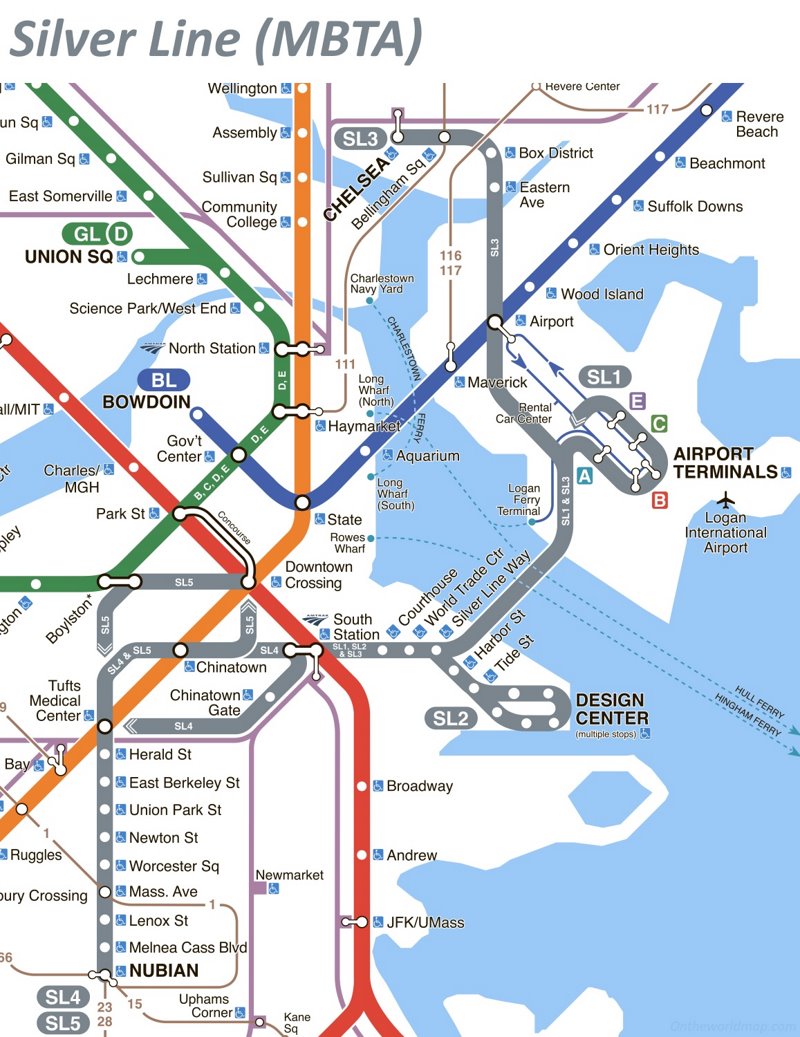
Operating speeds on urban bus corridors stem from predictable engineering trade-offs. The SL4 connects Dudley Square (now Nubian Station) directly to South Station. On paper, it traverses a central corridor equipped with dedicated bus lanes. In daily service, those lanes exist largely as red paint on asphalt, defenseless against everyday delivery traffic, ride-hail pickups, and illegally parked private vehicles.
A bus operator heading inbound toward Essex Street confronts dozens of curb-side conflicts per mile. Commercial loading zones in the South End are limited. When a delivery truck parks in the designated transit lane, a sixty-foot articulated bus must merge into general traffic, losing any headstart provided by traffic signals. The resultant stop-and-go cadence creates massive dwell times and congestion at key intersections.
Fare payment mechanics compound the friction. Unlike closed subway platforms where passengers pass turnstiles before the train arrives, street-level Silver Line stops frequently see passengers queueing to tap transit cards at the front door. While the MBTA's contactless fare payment upgrades have helped streamline transactions, boarding dozens of passengers through a single door during rush hour drains precious minutes. At an average pace of 6.09 mph, an SL4 bus covers a three-mile route in roughly thirty minutes, a journey easily matched by a person running a moderate 10-minute mile.
David Miller brings 15 years of experience in global economics, personal finance strategy, and market dynamics. He specializes in turning complex economic trends into actionable insights for everyday readers.
