Cajun Cuisine Visual Guide: the Authentic Dishes, Holy Trinity, and Distinctive Flavors
 By James H. Sterling
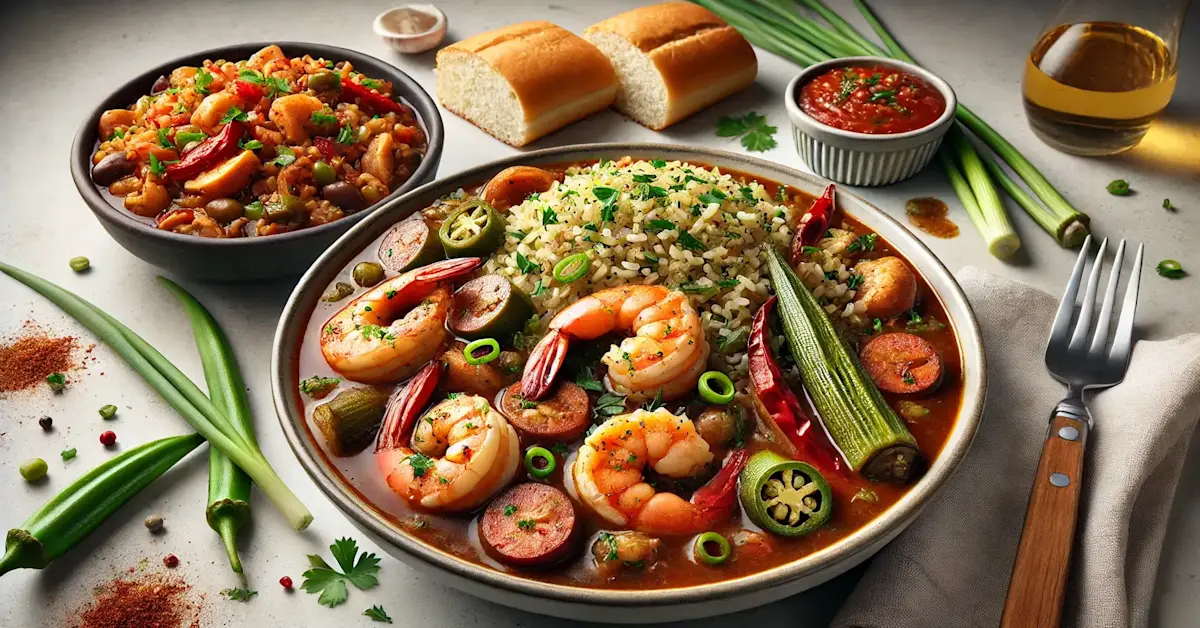
The story began thousands of miles north of the Atchafalaya Basin. In 1755, British forces carried out *Le Grand Dérangement* (the Great Upheaval), forcibly expelling French Catholic settlers from the maritime province of Acadie (modern-day Nova Scotia and New Brunswick). Families were separated, homesteads burned, and ships scattered along the Atlantic seaboard. Between 1764 and 1785, approximately 3,000 destitute Acadian refugees found sanctuary in the Spanish-controlled territory of Louisiana.
Spanish administrators sent these newcomers west of New Orleans into the isolated swamplands, marshes, and prairies of what is now called Acadiana. Cut off from mainstream trade routes, the Acadians had to adapt fast. Cold-weather crops like wheat and root vegetables withered in the humid subtropical clay. The settlers turned to Indigenous hunting methods, enslaved West African agricultural practices, and local flora and fauna to survive.
Over generations, the French word Acadien softened into Cadien, and eventually into the English Cajun. The community maintained its unique Cajun French dialect behind natural water barriers. Isolation bred self-reliance. Survival required eating every scrap of protein, from mudbugs plucked out of rice canals to wild game and feral pigs. Food became the central vehicle of community cohesion.
James Sterling reports on renewable energy developments, climate policy, ecological conservation, and green tech innovations around the globe.
