Inside the Secret Mario Kart Speakeasy Hidden Behind a Boston Freezer Door
 By Alexander Ross
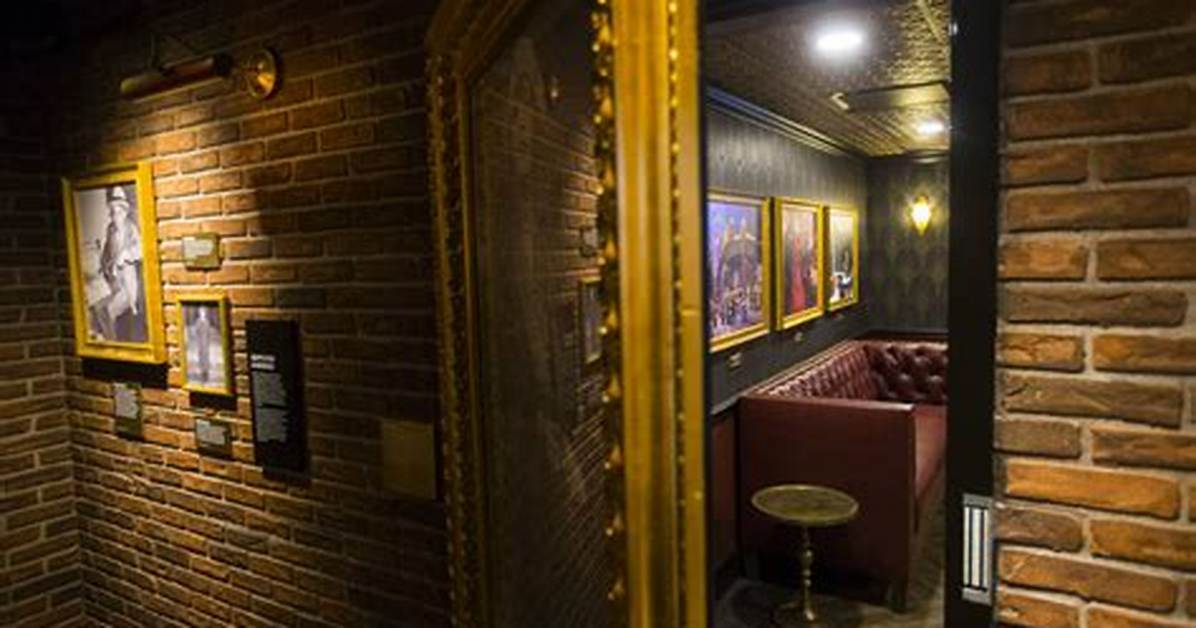
Operating an arcade bar in 2026 involves significantly more logistical complexity than running a standard draft house. Original CRT monitors degrade under heavy bar humidity, spilled craft beers threaten $4,500 logic boards, and mechanical steering linkages on driving cabs require weekly tensioning. Leading operators balance these operational overheads by modernizing coin-drop systems and pairing them with high-margin craft cocktail menus.
| Operational Metric | First-Wave Barcade (2012, 2018) | Speakeasy Gaming Lounge (2024, 2026) |
|---|---|---|
| Payment Interface | Brass tokens or loose quarters ($0.25, $0.50) | Tap-to-pay RFID cards, Apple Pay ($1.00, $2.50 per race) |
| Cocktail Program | Basic wells, macro lagers, sugary novelty shots | Clarified milk punches, local craft drafts, zero-proof aperitifs ($14, $19) |
| Entrance Architecture | Standard commercial storefront with direct street visibility | Camouflaged portals (freezer doors, soda machines, false bookcases) |
| Hardware Curation | Single-player 1980s cabinets (Pac-Man, Galaga, Donkey Kong) | Linked 4-player racers, modern Stern pinball, Killer Queen setups |
As demonstrated by the matrix above, the economic engine driving these establishments has shifted entirely. Operators no longer rely on game coin-drops to clear rent. The machines function as theatrical centerpieces that prolong dwell time, directly driving check averages north of $45 per patron.
Alexander Ross has covered the video game industry for a decade, writing deep dives on game design, esports tournaments, VR developments, and gaming culture.
