How the 'My Taste in Women' Trend Evolved from Online Quizzes to Viral Jokes
 By Robert Thorne
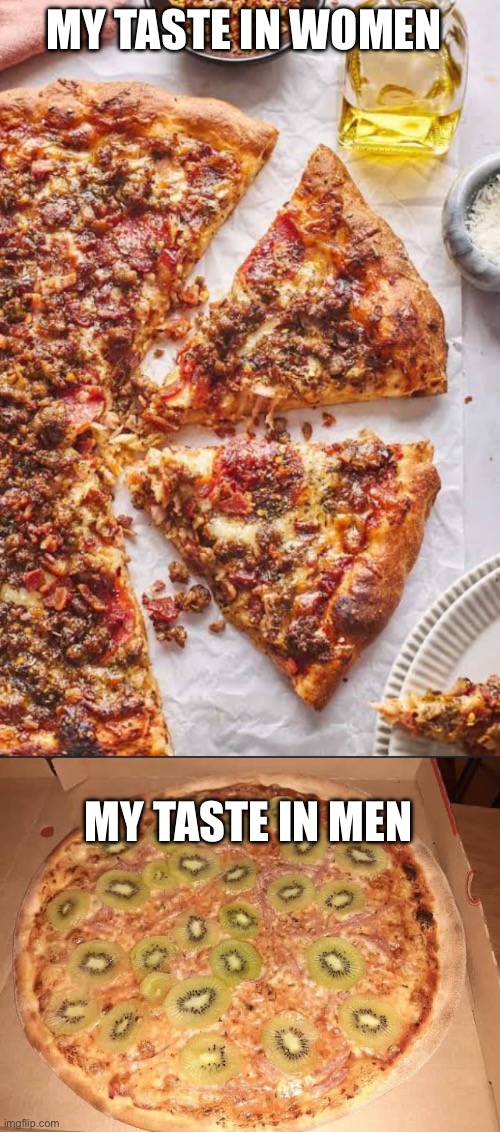
The transition to visual satire accelerated on Twitter between 2020 and 2022. The phrase "my taste in women" stopped being a title for a test and became a setup for visual irony. Users began assembling 2x2 photo collages showing distinct fictional character crushes or media figures, challenging audiences to find the unifying thread.
| Era | Dominant Format | Primary Intent |
|---|---|---|
| 2014, 2019 | BuzzFeed & Vice interactive quizzes | Earnest identity signaling and lifestyle curation |
| 2020, 2022 | Four-panel Twitter image macros | Ironic archetype comparison and niche pop-culture signaling |
| 2023, 2026 | TikTok swipe carousels & video stitches | Self-deprecating parody, gender discourse, and influencer critique |
Initial grids paired disparate figures: an animated villain like Shego from Kim Possible, a gothic archetype like Morticia Addams, a sharp-tongued sitcom lead, and a chaotic reality TV star. The punchline was structural contradiction. The posters admitted they were not seeking practical compatibility. Instead, they courted chaos, unaddressed psychological tension, or cinematic danger.
The format spread rapidly because it rewarded subcultural recognition. Recognizing why a user placed Fleabag alongside Azula from Avatar: The Last Airbender created an immediate inside joke, turning private romantic preferences into communal shorthand for specific emotional blind spots.
Robert Thorne covers electric vehicle innovations, autonomous driving systems, global mobility trends, and automotive engineering developments.
