From 1980S Sketches to Franchise Icons: the Complete Timeline of the 'Spy Kids' Thumb-Thumbs
 By James H. Sterling
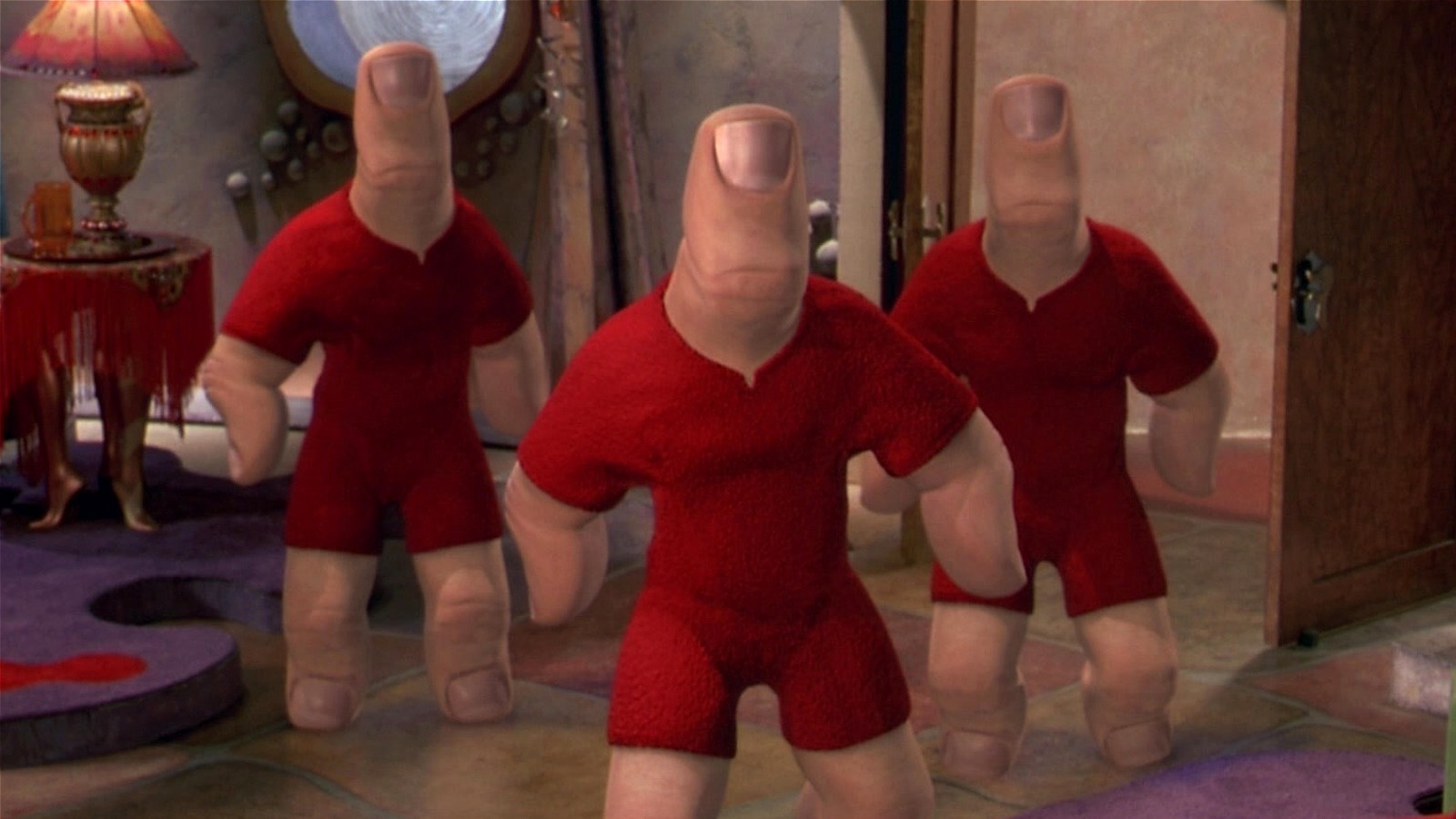
Ask any millennial or older Gen-Z viewer about their initial reaction to the 2001 film, and the response almost always centers on fear. The psychological reaction to the Thumb-Thumbs sits squarely inside Ernst Jentsch's classic definition of the uncanny: something that is familiar yet strangely alienated.
A hand is the primary vehicle through which a child interacts with their world. By removing the head, the focal point of human empathy, emotion, and communication, and replacing it with a featureless finger, the design strips away every social safety cue. The creatures could not smile, blink, or speak. They communicated strictly in garbled, pitched-down audio squeals, a sound design choice crafted by manipulating human vocal takes through analog distortion filters.
Online communities across Reddit, TikTok, and Letterboxd regularly run retrospectives on the monsters that defined early-2000s youth culture. The consensus remains striking. Alongside the mutant toys in Toy Story and the eerie transformations in Courage the Cowardly Dog, Rodriguez's thumb guards stand as a high-water mark of gateway horror for kids.
Cinema of that period granted family directors unusual latitude. Dimension Films, then operated by Bob and Harvey Weinstein under Miramax, gave Rodriguez sweeping creative control because his productions routinely came in under budget. When an auteur running a lean studio wants to put dozens of giant thumbs in three-piece suits, corporate executives rarely intervene if the bottom line stays green.
James Sterling reports on renewable energy developments, climate policy, ecological conservation, and green tech innovations around the globe.
