Fact-Checking the Escape Legends: Did John Wilkes Booth Truly Die in 1865?
 By Sarah Jenkins
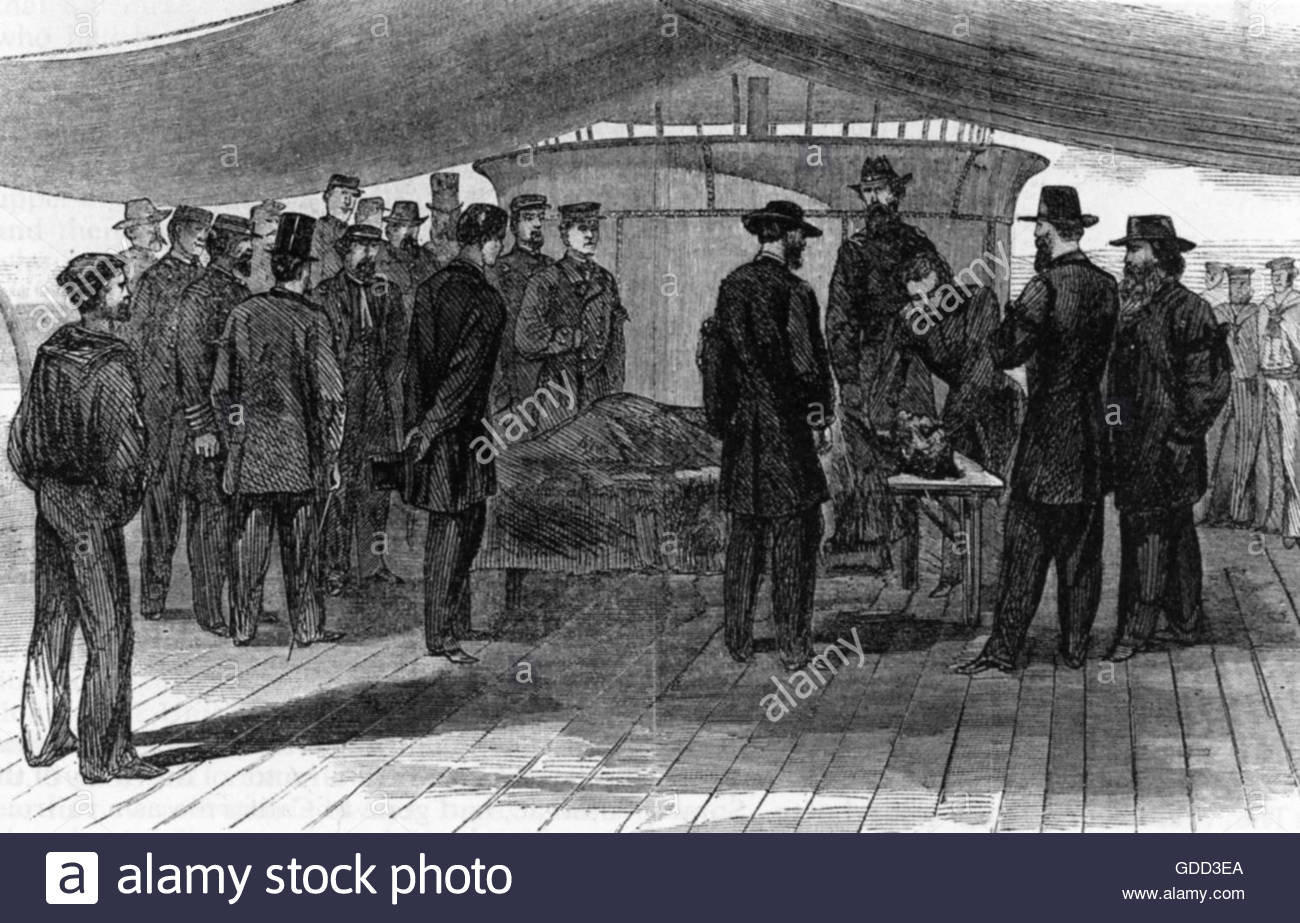
Despite the physical evidence, the government's decision to conduct the inquest secretly on a navy gunboat sparked immediate public suspicion. Rumors circulated that Stanton had staged the identification, that a lookalike Confederate soldier had been murdered at Garrett's farm, and that Booth had escaped to Mexico, England, or the American frontier.
The most enduring legend centered on Finis L. Bates, an attorney who published a 1907 book asserting that a man named John St. Helen, who committed suicide in Enid, Oklahoma, in 1903, was actually John Wilkes Booth. Bates embalmed St. Helen's corpse, turned it into a traveling sideshow mummy, and charged carnival-goers 25 cents to view the supposed presidential assassin. Decades later, another theory claimed Booth lived out his days in Granbury, Texas.
Modern forensic anthropology has repeatedly dismantled these accounts. When researchers examined the St. Helen mummy, they found no evidence of Booth's documented injuries, such as the broken fibula suffered during his leap from the state box at Ford's Theatre or the specific cervical damage logged by Army surgeons. The historical reality remains simple: keeping a body double secret across dozens of federal soldiers, naval officers, embalmers, and Booth's own personal acquaintances would have required an impossible conspiracy.
Sarah Jenkins is a veteran tech journalist with over 12 years of experience covering artificial intelligence, mobile innovations, and digital ethics. Her insights have appeared in leading technology publications worldwide.
