Glowing Mysteries of the Congo Basin: Why the Rainforest Floor Lights up at Night
 By Sophia Al-Mansoor
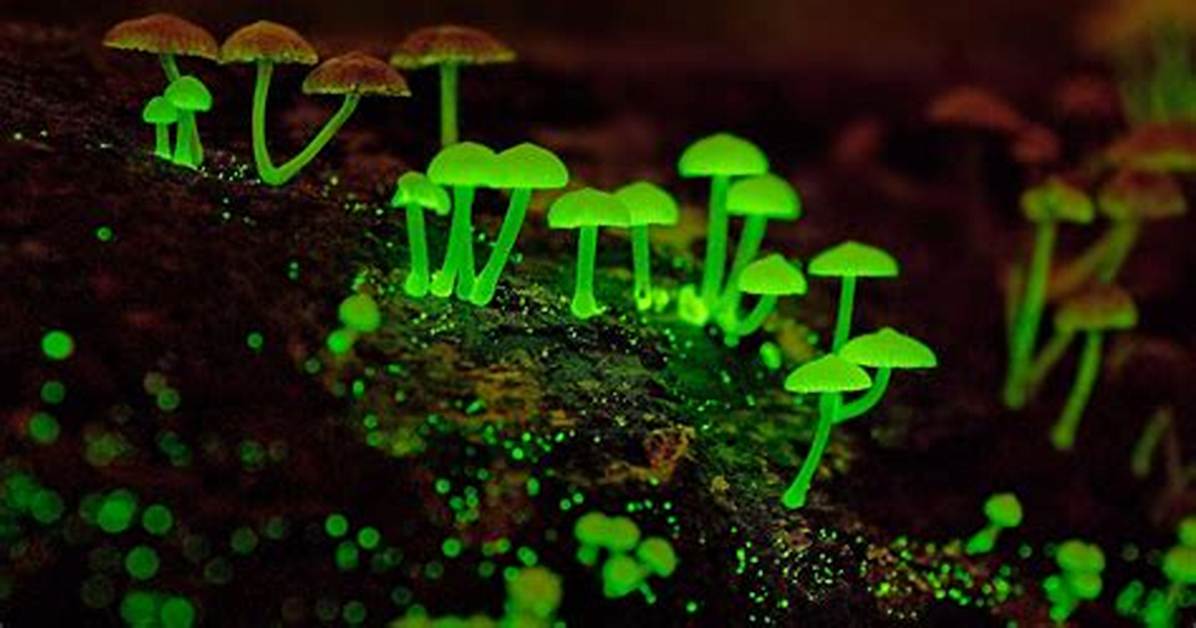
Documenting these glowing species presents logistical hurdles. The equatorial African interior lacks the dense research infrastructure found in Latin America's Costa Rican stations or Southeast Asia's Danum Valley. Mycologists working in the Congo Basin must conduct foot patrols after dark, navigating dense thickets and avoiding startled daytime wildlife that rest near fallen timber.
Between 2023 and 2026, collaborative field initiatives between Central African universities and international botanical institutes produced a surge in taxonomic revisions. Using portable DNA sequencers in field base camps, researchers isolated distinct genetic profiles from specimens previously lumped into broadly defined Asian or South American clades.
The genus Mycena, renowned for producing tiny, bell-shaped glowing caps, contains vast cryptic diversity across the Congo Basin. Researchers have documented several morphologically identical mushrooms growing on opposite sides of wide tributaries that display distinct genomic divergence. The rivers act as genetic barriers, proving that the fragile microhabitats of the lower forest strata evolve in hyper-localized pockets.
Sophia analyzes international trade, startup ecosystems, retail transformation, and supply chain logistics for modern digital publications.
