Fact-Checking Prayer App Privacy: Can Independent Student Coders Actually Defeat Data Brokers?
 By Robert Thorne
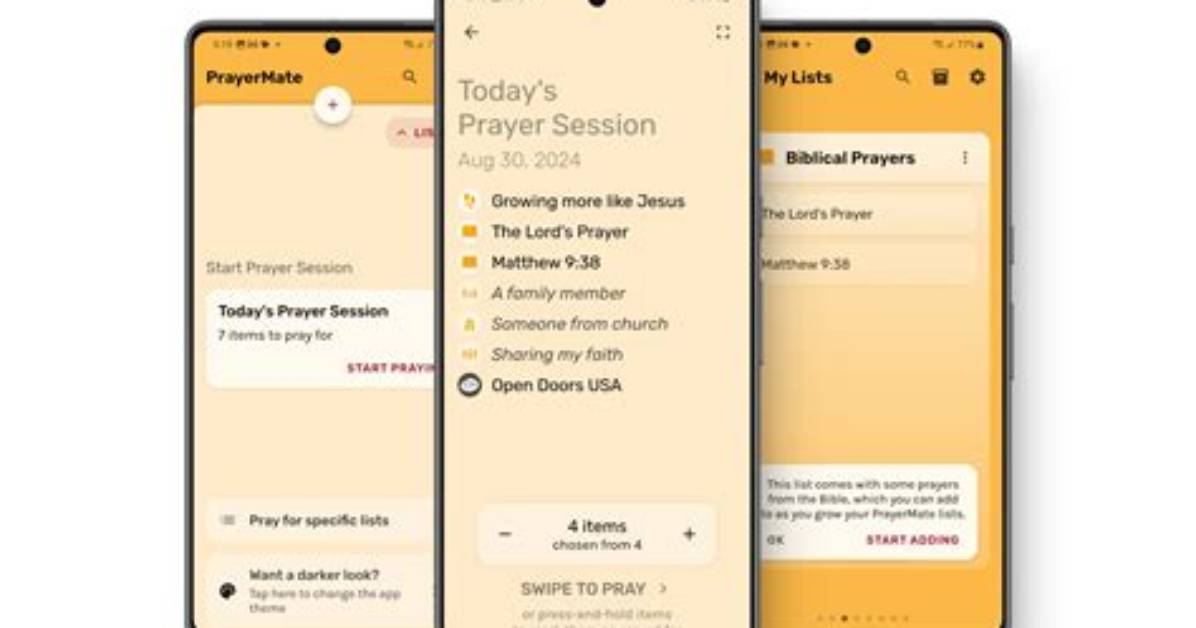
The battle against unauthorized location tracking confirms that community-led engineering can outmaneuver exploitative data broker models. When student coders and social media users came together to write local-first software, they exposed the predatory monetization underpinning seemingly harmless utility tools. They demonstrated that mobile applications can serve human needs without operating as telemetry collection outposts.
Securing digital privacy rights requires moving beyond emergency grassroots coding drives. Sustainable privacy demands structural platform reforms: mobile operating systems must enforce local, sandboxed data processing for basic utility tools by default. Coarse location fuzzing should be an unalterable system standard rather than an optional toggle hidden deep within setting menus. Until operating system architects treat privacy as an inviolable hardware baseline, public open-source verification and independent community development remain our strongest line of defense against commercial digital surveillance.
Robert Thorne covers electric vehicle innovations, autonomous driving systems, global mobility trends, and automotive engineering developments.
