Is Red Bull Vegan? Ingredients, Taurine Origins, and Safety Questions Answered
 By Robert Thorne
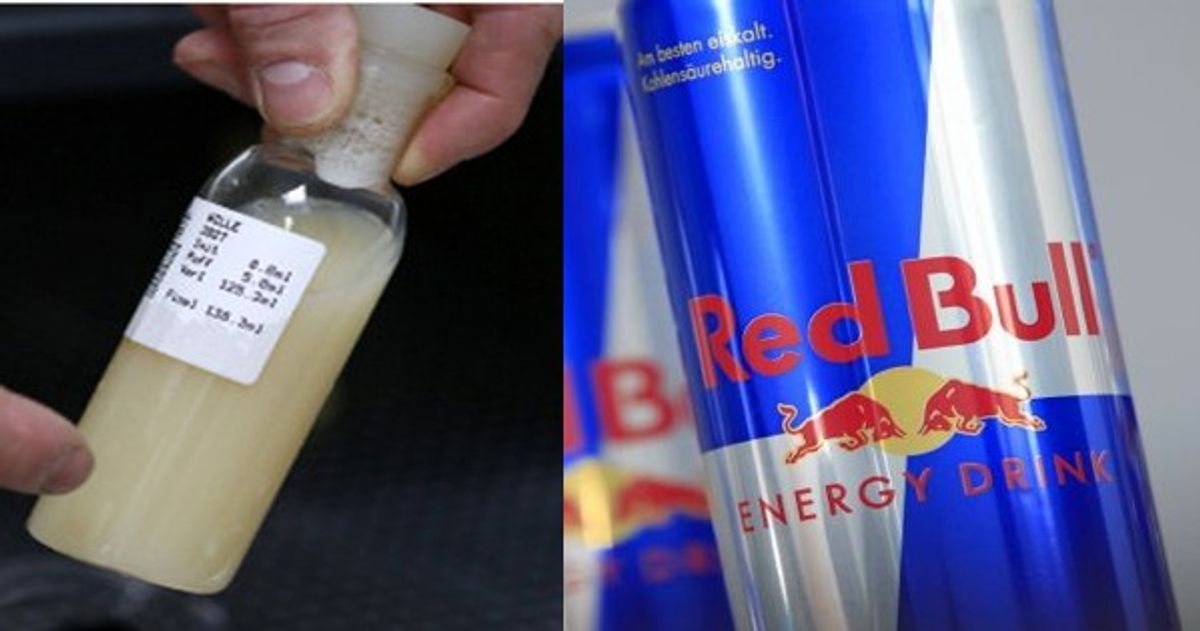
Dismissing the urban legend does not mean energy drinks are harmless hydration. The physiological punch of an 8.4-fluid-ounce can rests on two interacting compounds: 80 mg of caffeine and 1,000 mg of synthetic taurine. While that caffeine level matches an ordinary home-brewed cup of coffee, the rate of consumption and accompanying sugar rush alter how the body responds.
Clinical reporting highlighted by Healthline shows that downing multiple cans introduces genuine health risks. Acute Red Bull side effects rarely involve organic toxicity; instead, they reflect high sympathetic nervous system arousal.
Common physical reactions to rapid consumption include:
- Spikes in resting heart rate and arterial blood pressure.
- Rebound fatigue and insomnia once simple sugars clear the bloodstream.
- Jitters, gastrointestinal cramping, and acute anxiety in caffeine-sensitive adults.
- Elevated risk of cardiac arrhythmia when combined with alcohol or vigorous physical exertion.
Medical consensus recommends capping daily caffeine intake at 400 mg for healthy adults, which translates to roughly four small cans. Exceeding those boundaries strains cardiovascular regulation, regardless of whether the ingredients originated in a lab or a farm.
Robert Thorne covers electric vehicle innovations, autonomous driving systems, global mobility trends, and automotive engineering developments.
