Fact-Checking French Politeness: Does S'il Vous Plaît Actually Mean If It Pleases You?
 By James H. Sterling
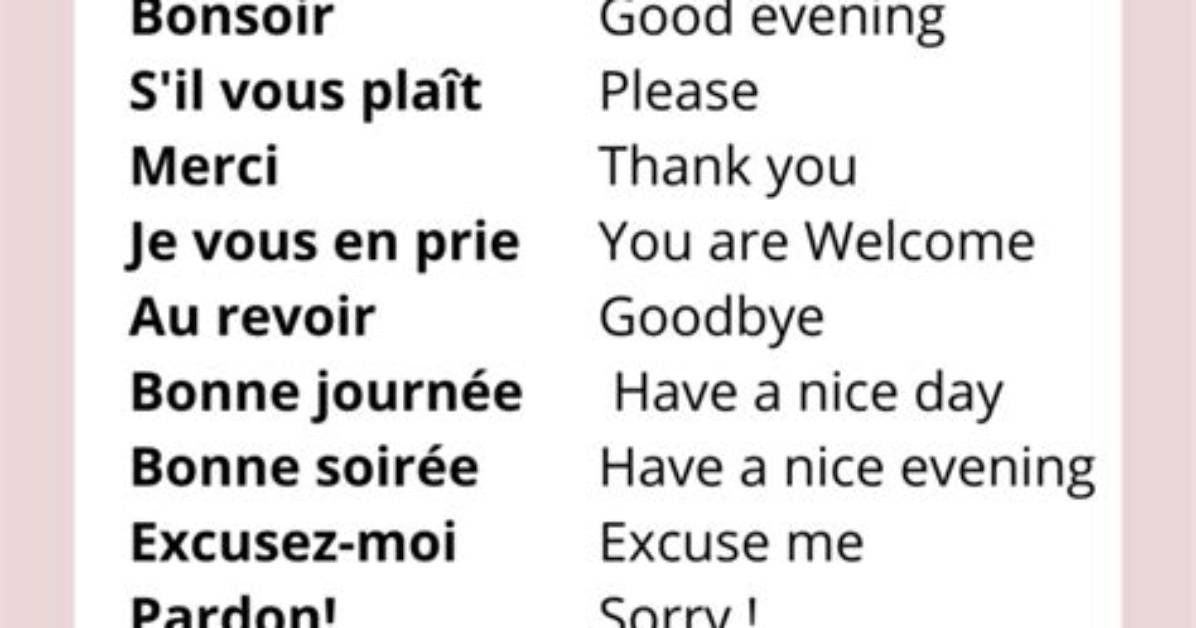
In English, "please" is a grammatical orphan. Shortened from the Early Modern English phrase "if it please you," the word shed its subject, its pronoun, and its conditional framing across three centuries. English speakers treat it as a universal modifier. You attach it to imperatives to soften them: "Sit down, please," "Pass the salt, please."
French resisted that grammatical erosion. S'il vous plaît retains its complete syntactic skeleton: si (if), il (it, impersonal subject), vous (you, indirect object), plaît (pleases, third-person singular of plaire). When you utter the phrase, you are technically executing an entire dependent subjunctive thought: if this action brings you pleasure or meets your approval.
The phrase crystallized inside the rigid court decorum of the Grand Siècle under Louis XIV. Royal protocol demanded that no subject could issue a direct command to a social superior without acknowledging the monarch's or noble's absolute autonomy. Asking for a document, an audience, or a physical object required embedding an escape hatch for the recipient. The speaker had to state clearly that the request remained contingent on the other person’s pleasure.
Over the 18th and 19th centuries, the phrase moved from aristocratic drawing rooms into bourgeois parlors and commercial streets. Yet it never fully discarded its contractual origin. Unlike the English "please," which acts as an emotional buffer meant to signal friendliness, s'il vous plaît operates as a marker of mutual social contract. It explicitly leaves agency in the hands of the person being asked.
James Sterling reports on renewable energy developments, climate policy, ecological conservation, and green tech innovations around the globe.
