Emmett Till and His Mother's Legacy: Everything You Need to Know 70 Year's Later
 By Alexander Ross
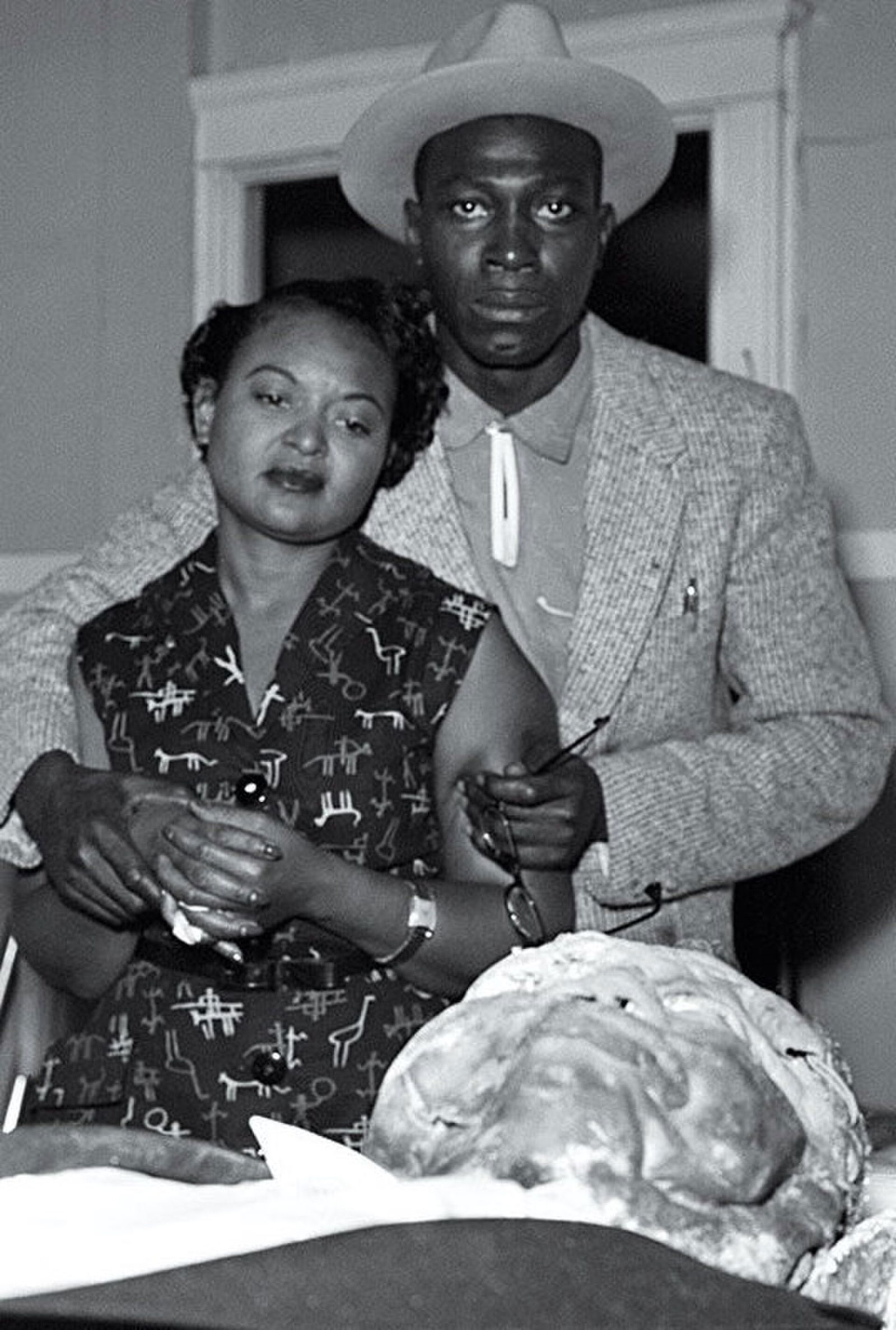
When the pine transit case arrived in Chicago, the smell of decomposition was overwhelming. Undertakers urged Till-Mobley to keep the glass cover draped in velvet and the casket sealed. She adamantly refused. She spent hours examining the body herself: identifying her son by the ring he wore, tracing his hairline, and taking in every fracture. "There was just no way I could describe that to anybody and make them see it," she later stated. "I wanted the world to see what they did to my baby."
The Chicago memorial service was held at Roberts Temple Church of God in Christ on South State Street. Over four days in early September, between 50,000 and 100,000 people queued around the block, enduring late-summer heat to walk past the open casket. Inside the sanctuary, the glass lid sat elevated, exposing Till’s destroyed face beneath clean white satin. Ushers carried smelling salts for attendees who fainted in the aisles, while local volunteers handed out handkerchiefs and water to the crowd outside.
Till-Mobley understood the visual politics of respectability and grief. She dressed her son in a dark suit with a crisp white shirt, creating an unbearable contrast between the dignity of his presentation and the barbarity inflicted upon his flesh. By maintaining complete public poise while standing next to her child's body, she inverted the racist tropes of the era. The violence was no longer an abstraction relegated to county backroads; it was an undeniable, visible reality exhibited in the industrial capital of the Midwest.
Alexander Ross has covered the video game industry for a decade, writing deep dives on game design, esports tournaments, VR developments, and gaming culture.
