Behind the Foil Sachet: Ingredients, Label Claims, and the Truth About Honey Packets
 By Marcus Vance
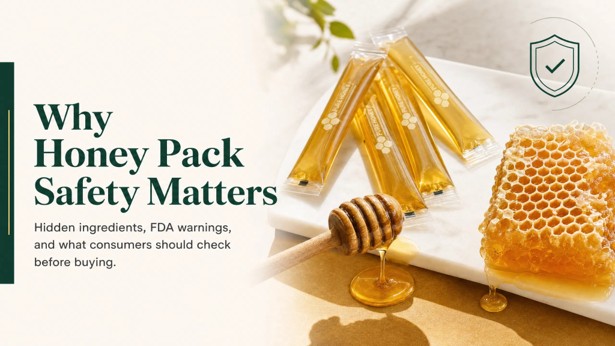
The rise of the convenience store foil sachet reflects an aggressive shift in digital marketing. On TikTok and Instagram, creators frame the packets as an effortless, over-the-counter hack for bedroom confidence. Influencers showcase the glossy packets before date nights, treating them as casual party favors rather than pharmacological agents. This viral social media trend stripped away the traditional clinical stigma associated with erectile dysfunction treatments, reframing the packets as an edgy lifestyle accessory for college students and gym-goers.
A single sachet typically retails between $10 and $15 at independent bodegas, smoke shops, and gas stations. That price point undercuts traditional telemedicine platforms while bypassing medical consultations and digital intake questionnaires. For twenty-somethings browsing late-night shelves, the transaction is fast, frictionless, and completely anonymous. The packaging leans heavily on masculine archetypes, sporting holographic tigers, armored centurions, and gold foil calligraphy promising "maximal vital energy."
Beneath the branding lies an ambiguous product classification. By marketing the contents as artisanal royal honey mixed with tongkat ali, panax ginseng, and bee larva, distributors register these items as ordinary food imports. That distinction allows the merchandise to clear shipping hubs and enter commercial supply chains long before regulatory agencies detect the actual chemical composition inside.
Marcus Vance is a cybersecurity auditor and technology writer dedicated to educating the public about online safety, data privacy regulations, enterprise security, and emerging cyber threats.
