Debunking the 'Dingleberry Fruit': Visual Evidence and Botanical Facts
 By Marcus Vance
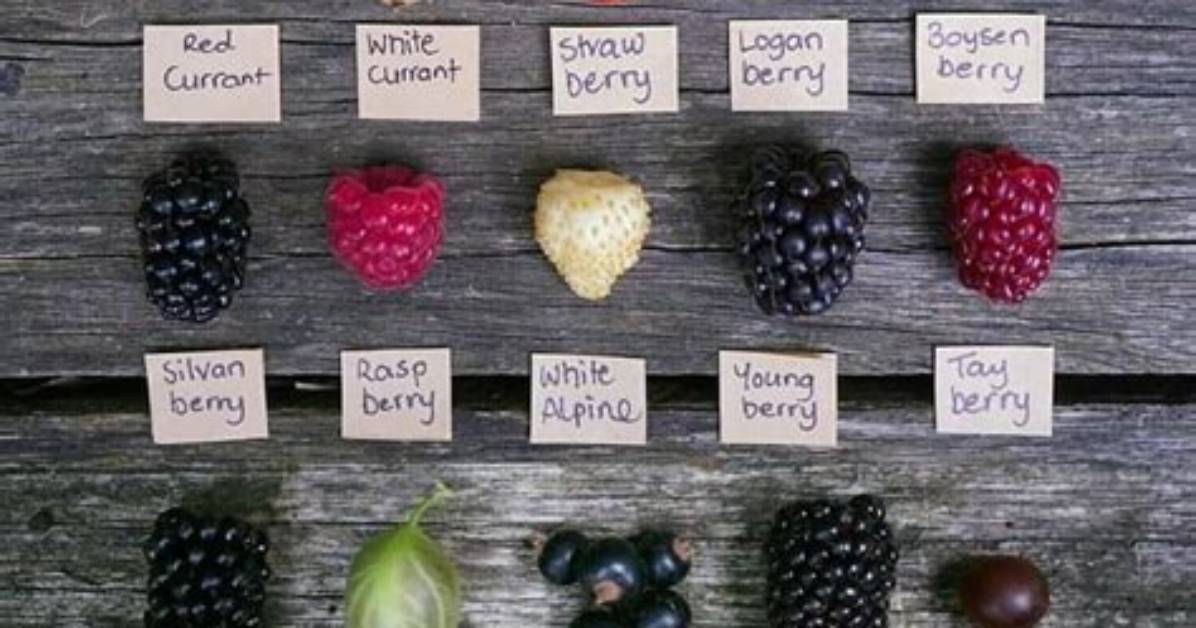
While the viral purple droplet does not exist, rural folklore occasionally applies regional misnomers to actual mountain shrubs. The plant closest to this folkloric confusion is Vaccinium erythrocarpum, commonly known as the southern mountain cranberry or dingleberry in very localized Appalachian oral tradition.
Belonging to the Ericaceae plant family, Vaccinium erythrocarpum grows as an upright deciduous shrub reaching heights between 3 and 6 feet. It thrives exclusively in high-elevation seepages, rocky summits, and spruce-fir forests throughout the southern Appalachian range, from West Virginia to northern Georgia, with isolated populations in East Asia.
Unlike the glassy, spherical orbs seen online, genuine southern mountain cranberries produce nodding, solitary flowers with reflexed, pinkish-red petals resembling miniature cyclamens. By late August, these blooms develop into small, dark-red or purplish-black berries that dangle beneath the foliage on slender pedicels. They are edible, sharply acidic, and rich in anthocyanins, but they look nothing like the neon-lit treats pushed by viral algorithms.
Marcus Vance is a cybersecurity auditor and technology writer dedicated to educating the public about online safety, data privacy regulations, enterprise security, and emerging cyber threats.
