Does Kate Middleton Have an Eating Disorder? Separating Fact from Royal Myth
 By Elena Rostova
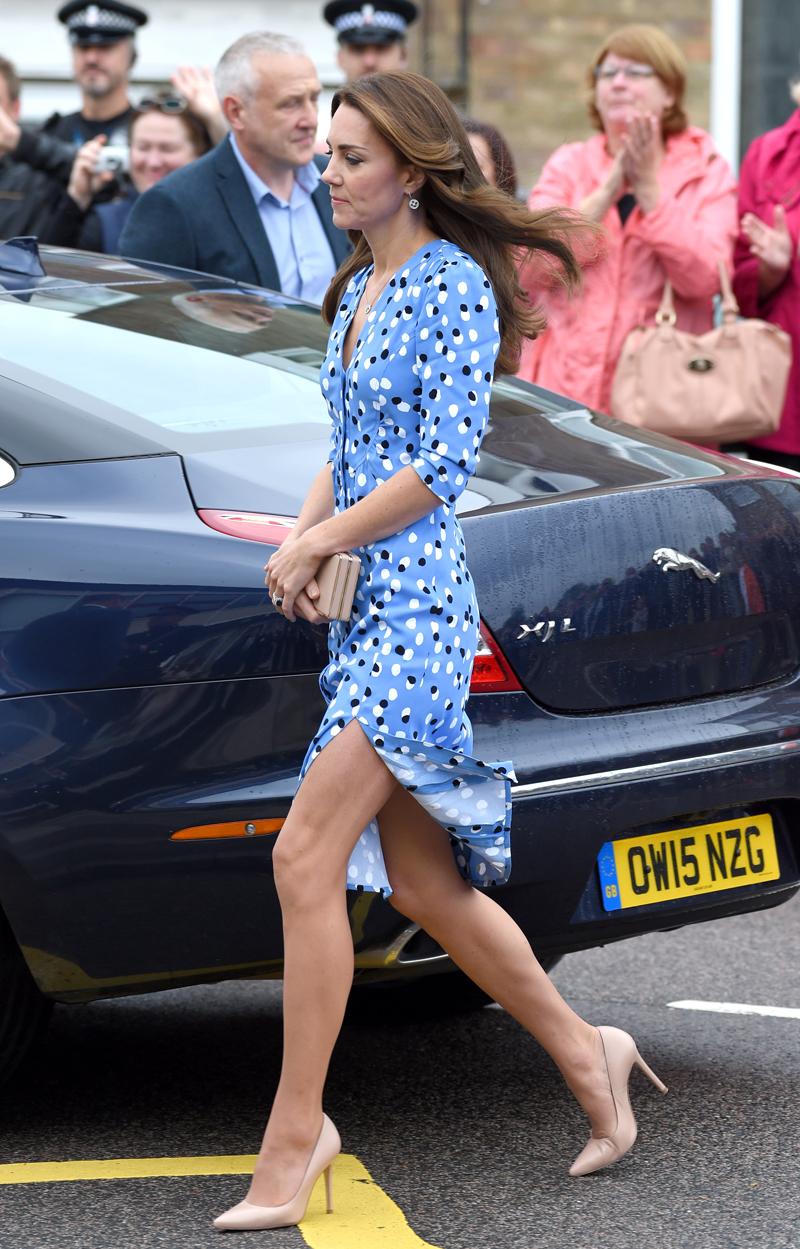
The rumor mill targeting Catherine's weight began long before her marriage to Prince William in April 2011. During her university years at St Andrews and her twenties in London, British tabloids focused obsessively on her diet, fitness regimen, and changing silhouette. When she slimmed down noticeably ahead of the royal wedding, commentators immediately drew comparisons to royal brides of the past. Tabloid headlines labeled her look "wafer-thin," inventing strict low-carbohydrate meal plans and attributing extreme workout schedules to her without access to verified sources.
Online forums and lifestyle blogs quickly amplified these narratives. Rather than evaluating Catherine as a former collegiate athlete who played competitive field hockey, tennis, and rowing, internet users framed her body through a clinical lens. The digital age fostered amateur diagnostics. Comment threads on Reddit, TikTok, and X dissected high-resolution photographs, pointing to collarbones, waistlines, and muscle tone as purported evidence of pathology. When major public events coincided with natural fluctuations in her weight, the narrative hardened into an unverified urban legend.
This dynamic accelerated whenever Kensington Palace requested privacy. Royal silence functions as a vacuum, and social media platforms reliably fill vacuums with speculation. Instead of respecting boundaries, online platforms turned an intensely personal physical trait into an ongoing public debate.
Elena Rostova holds a Master's degree in Public Health Journalism. She covers groundbreaking medical research, holistic wellness trends, mental health awareness, and nutritional science.
