Will Nissan Bring Back the Silvia? the Secret Heritage Fueling Pop-up Nostalgia
 By James H. Sterling
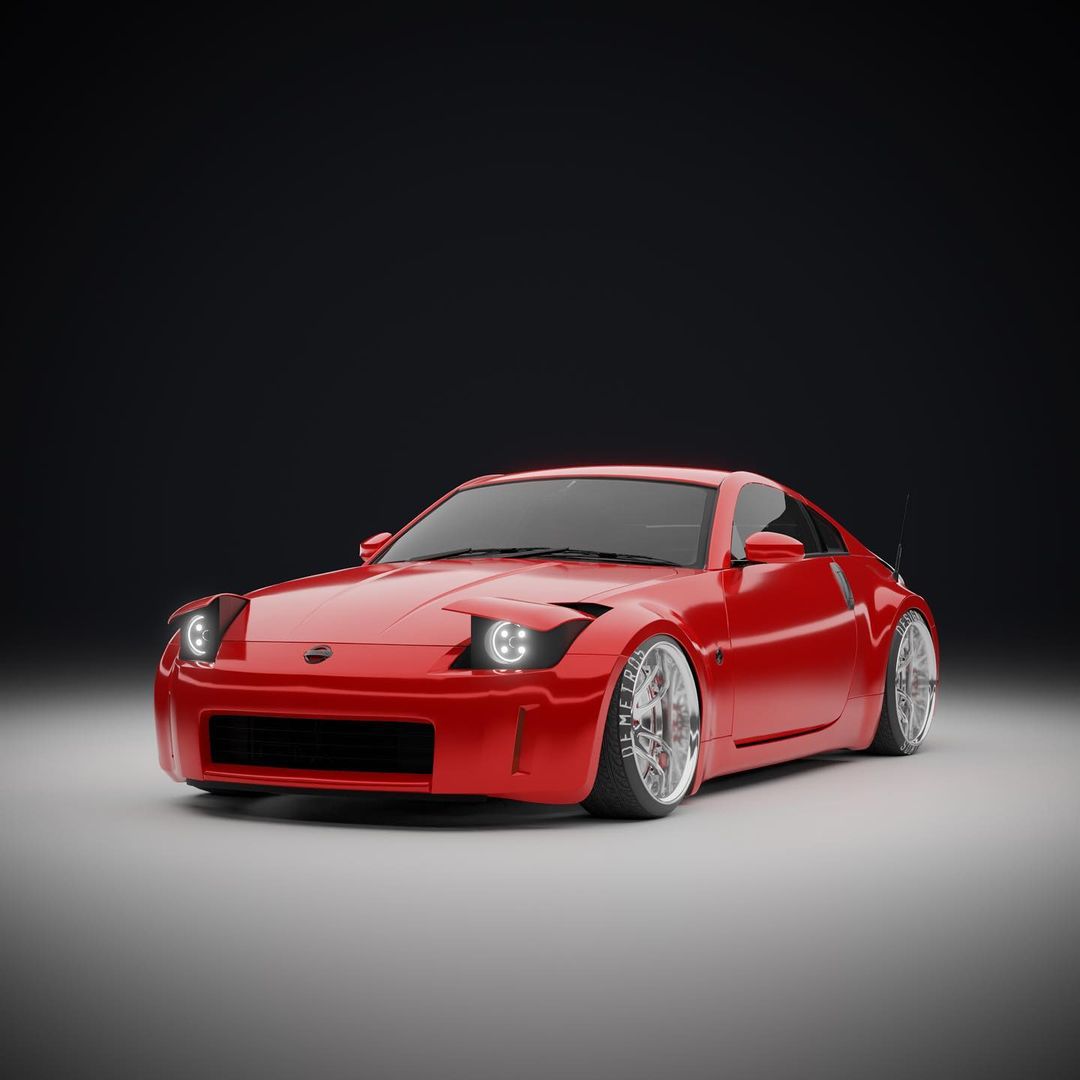
Long before crash structures dictated high, blunt front grilles, sports car design chased raw aerodynamic efficiency. During the late 1970s and 1980s, the lowest possible drag coefficient came from an aggressive nose rake. Because international lighting standards specified a minimum headlight ground clearance of 24 inches, designers could not simply drop fixed halogen lamps onto an ultra-low bumper.
Mechanical retractable headlights solved the puzzle. Designers could craft an arrow-like hood that slipped through the air by day, while electric motors raised the sealed beams to legal heights at night.
The Nissan Silvia S12 embraced this aerodynamic wedge styling with conviction. Sold across global markets from 1983 through 1988 as the Silvia, Gazelle, or 200SX, the chassis traded the soft curves of the 1970s for razor-sharp geometric sheet metal. The pop-up assemblies integrated flush into the hood line, giving the car an unmistakable silhouette.
Nissan pushed the experimental envelope even further with the Nissan Pulsar NX EXA. Debuting in 1986, this quirky modular coupe featured interchangeable rear canopy panels, transforming from a coupe to an open-air targa or a small shooting brake. Up front sat standard flip-up lights, cementing pop-ups as a signature badge of Japanese youth-oriented performance.
Even luxury-touring models joined the movement. The Nissan 300ZX Z31 arrived in late 1983 with semi-concealed retractable headlights. Rather than hiding fully under sheet metal, the Z31's lenses tilted upward when switched on, leaving a hooded glass slit visible while closed. That design gave the Z31 an aggressive, predatory stance that separated it from domestic GT rivals of the period.
James Sterling reports on renewable energy developments, climate policy, ecological conservation, and green tech innovations around the globe.
