Deciphering 'Mg/dL' on Your Blood Test: What Lab Abbreviations Actually Reveal
 By Sophia Al-Mansoor
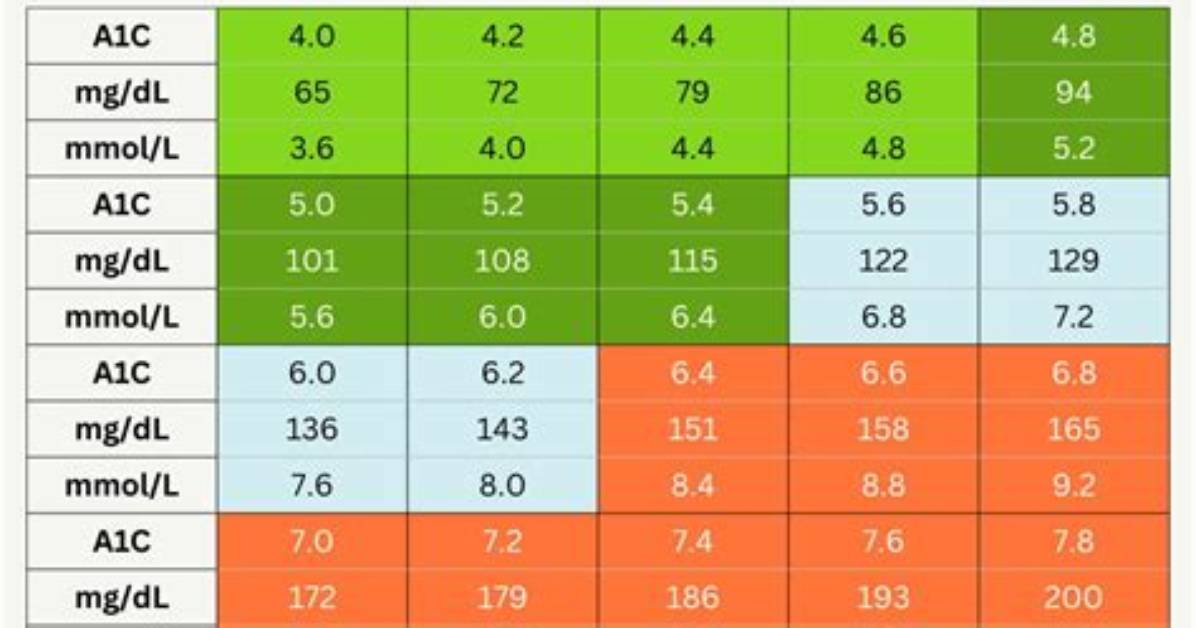
Q1: What is the direct difference between mL and dL on medical charts?
A1: A milliliter (mL) is one-thousandth of a liter, while a deciliter (dL) is one-tenth of a liter. One deciliter contains exactly 100 milliliters. Routine clinical labs prefer deciliters because it allows biological compounds to be scored using standard, whole numbers rather than confusing decimals.
Q2: Why did my fasting glucose read at 105 mg/dL if I do not have symptoms of diabetes?
A2: Minor elevations between 100 and 110 mg/dL happen frequently due to poor sleep, mild dehydration, elevated morning cortisol (the dawn phenomenon), or incomplete fasting. Clinicians confirm sustained abnormalities using a Hemoglobin A1c (HbA1c) test, which tracks three-month glucose averages rather than a single morning snapshot.
Q3: Does drinking plain water before a morning blood test alter my mg/dL results?
A3: Drinking plain water does not disrupt blood sugar or lipid levels; it actually stabilizes them. Severe dehydration shrinks your total plasma volume, artificially concentrating compounds like sodium, creatinine, and glucose, which makes your readings appear higher per deciliter than they actually are.
Sophia analyzes international trade, startup ecosystems, retail transformation, and supply chain logistics for modern digital publications.
