Clay Vs. Cornstarch: Can You Make Genuine Butter Slime Without Specialty Clay?
 By Robert Thorne
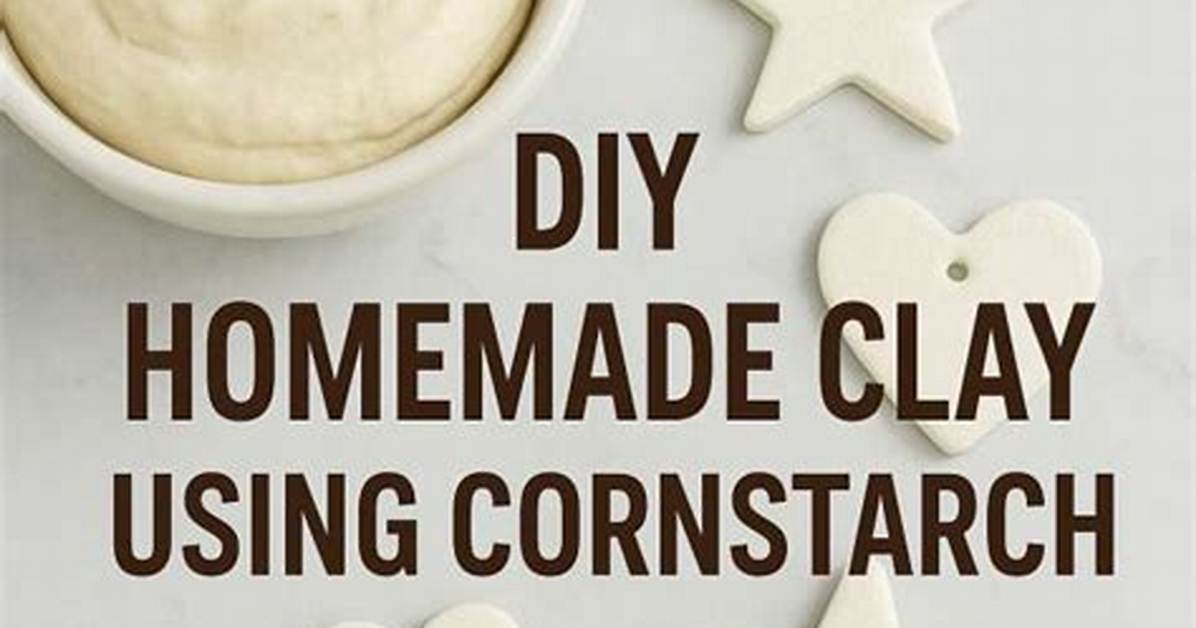
Short-form video tutorials routinely push the narrative that making butter slime requires nothing more than everyday household staples. The pitch sounds practical. Grab generic glue, dump in laundry starch or baking soda, and dump in half a box of cornstarch. Creators slice through these freshly mixed mounds on camera, showcasing a pale, matte surface that momentarily resembles high-grade craft clay.
The illusion falls apart within minutes of handling.
Cornstarch operates as a physical bulking agent and non-Newtonian suspension, not a flexible binder. When mixed with glue, starch granules absorb ambient moisture and crowd the polyvinyl alcohol chains. This produces short-term stiffness rather than sustained elasticity. The resulting compound tears abruptly when stretched and sheds a chalky residue across hands and tabletops. While it solves the immediate desire for a low-shine look, it completely misses the silky resistance that defines true butter slime.
Robert Thorne covers electric vehicle innovations, autonomous driving systems, global mobility trends, and automotive engineering developments.
