Can Private Callers Really Stay Untraceable? the Truth Behind Hidden Numbers
 By Maya Lin-Takahashi
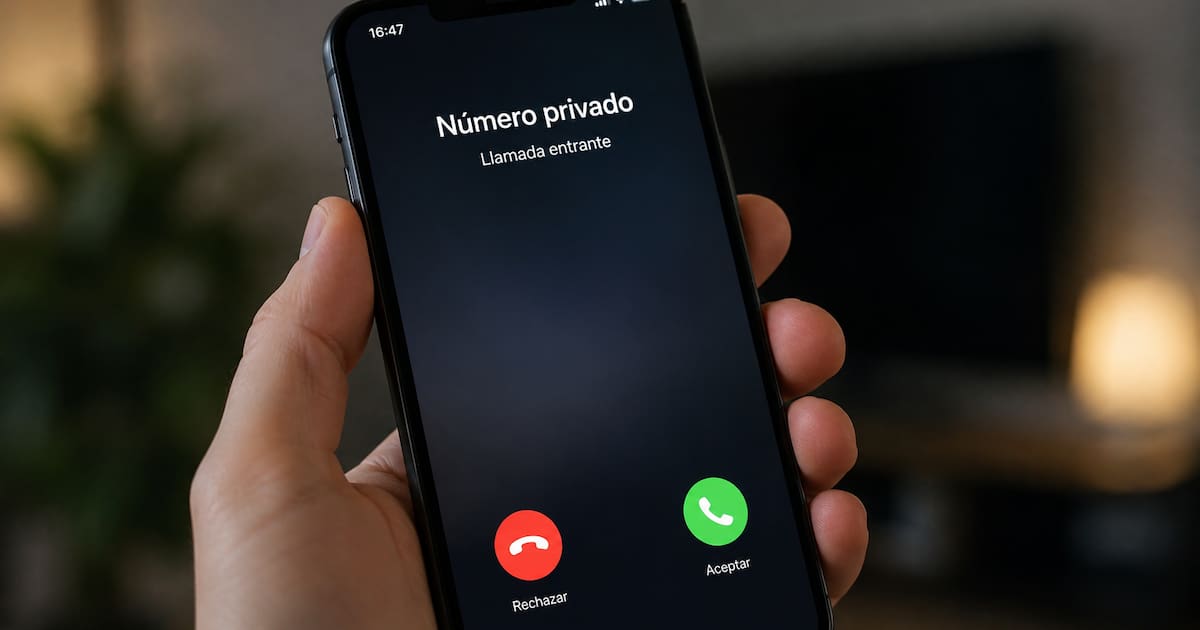
The consumer arms race between callers attempting to hide and recipients demanding transparency created a bustling market for commercial identification technologies. Over the past decade, services such as TrapCall popularized methods for unmasking private numbers on consumer handsets. These applications function by exploiting the architecture of conditional call forwarding.
When an incoming call arrives marked as "Private," the user declines the connection. The smartphone’s pre-programmed carrier settings immediately forward that rejected call to an 800-toll-free data trunk owned by the identification provider. As demonstrated in commercial routing frameworks, toll-free lines automatically force the revelation of the caller's ANI string. The identification platform instantly captures the unmasked number, rejects the inbound connection, and pushes the real digits back to the subscriber via SMS or application alert within seconds. What the caller thought was hidden is dismantled simply by redirecting their carrier packets through an alternate billing switch.
Simultaneously, major wireless carriers and consumer app developers integrated aggressive spam filtering into base operating systems. Telecommunications giants now deploy machine-learning models at the exchange level that scrutinize calls bearing privacy indicators. When a call lacks verifiable presentation parameters or exhibits suspicious call-velocity markers, carriers automatically flag the transmission as "Potential Spam" or drop it silently before it rings the target subscriber.
Maya is a hardware enthusiast who tests and reviews smart home devices, smartphones, wearables, and audio gear. She focuses on practical consumer value and build quality.
