Bb Vs. a Clarinet: Debunking Myths Behind the Orchestral Switch
 By Elena Rostova
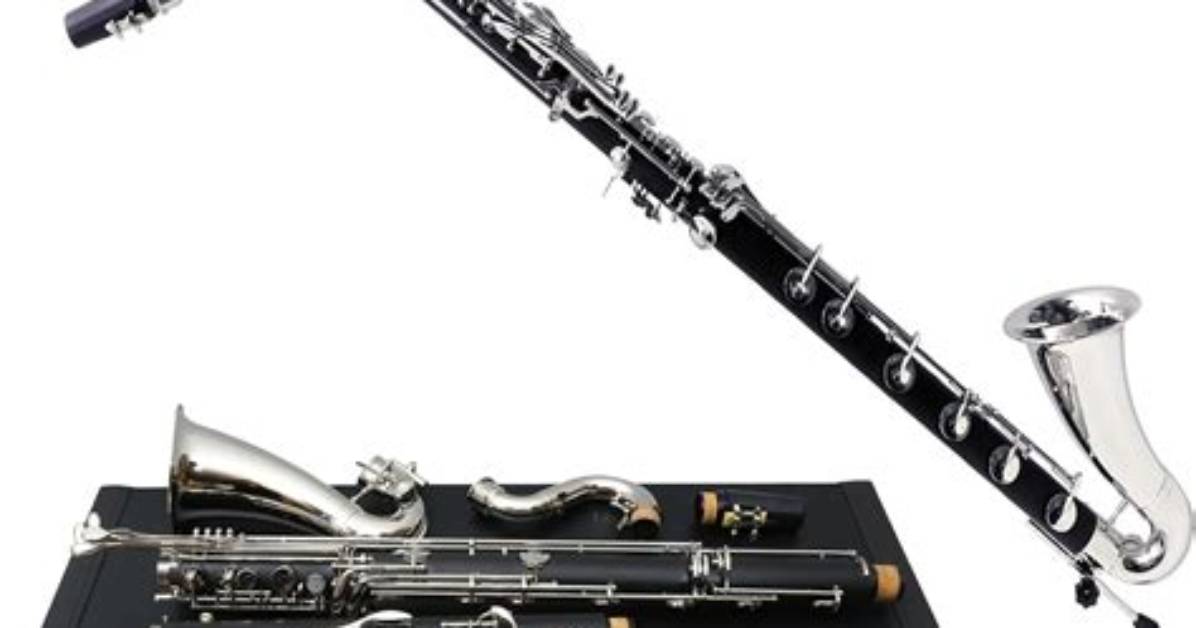
The true motive behind the two-horn system lies in the mechanics of transposing instruments. Clarinets are non-directional, keyed acoustic pipes operating over a twelfth rather than an octave when overblown. The modern Boehm mechanism solved dozens of intonation horrors from the classical era, but it left certain key signatures profoundly treacherous.
Orchestral strings love sharp keys. Violins, violas, and cellos ring with maximum resonance in D major, G major, A major, and E major because those keys activate their open strings. When an orchestra plays in A major (three sharps), a player holding a Bb clarinet must read music transposed up one whole step into B major (five sharps). Playing rapid passage work across five sharps requires awkward pinky-key gymnastics and risky side-trill fingerings that compromise intonation and clean articulation.
Hand that same player an A clarinet, and the equation changes. The music transposes down a minor third into C major: zero sharps, zero flats. The clarinetist plays open, natural finger patterns without fighting the mechanical limits of the horn. Conversely, when the strings play in flat keys like F major or Bb major, the Bb instrument shifts into familiar, ergonomic fingerings while the A clarinet would be forced into clumsy flat signatures. Composers call for instrument changes to keep the player operating within the agile, acoustically stable center of the fingering system.
Elena Rostova holds a Master's degree in Public Health Journalism. She covers groundbreaking medical research, holistic wellness trends, mental health awareness, and nutritional science.
