Bridging Generations: How Hip-Hop Rhymes Are Transforming Youth Literacy
 By Chloe Bennett
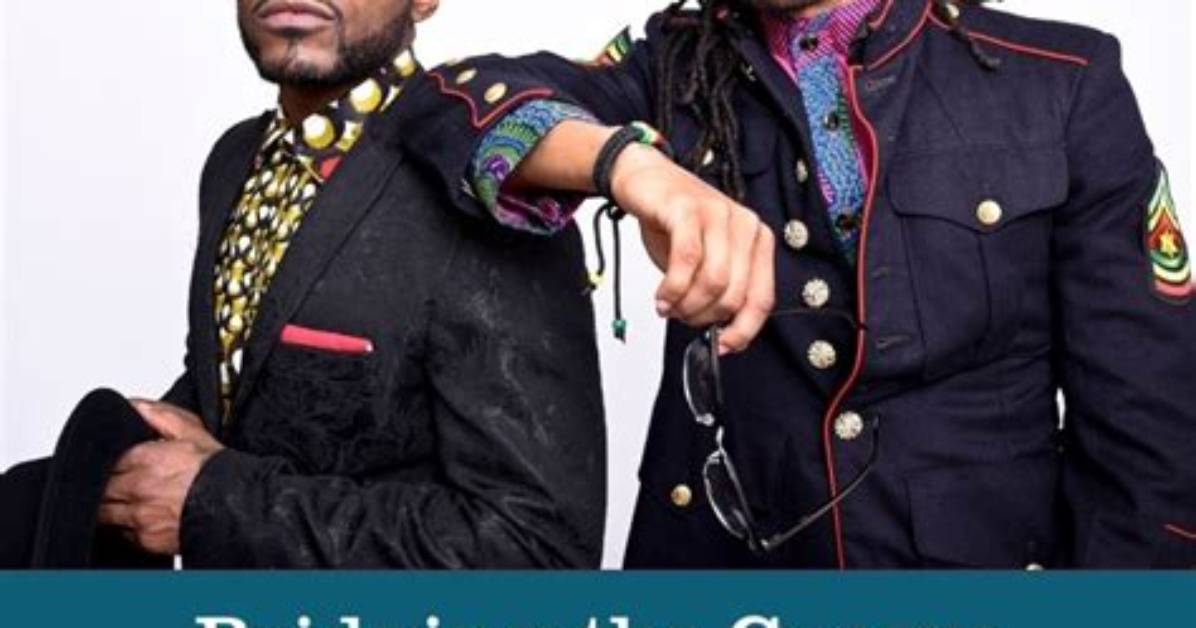
Despite the energy surrounding Mitchell and Rosen's collaborative model, adopting hip-hop literacy requires strict structural boundaries. Educators who attempt to implement these techniques without understanding the underlying mechanics risk reducing linguistic instruction to empty noise.
Teachers who treat rap simply as an entertaining distraction often bypass the rigorous phonetic mapping required for genuine reading comprehension. Rhythm aids memory, but it does not automatically translate into print decoding unless students actively correlate spoken bars with printed text on the page.
Environments where rhythm-based learning delivers measurable results:
- Key Stage 1 and Key Stage 2 classrooms with high proportions of English as an Additional Language (EAL) learners, where physical rhythm accelerates speech pattern acquisition.
- Intervention groups for struggling older readers (ages 9, 13) who associate standard remedial reading books with embarrassment and failure.
- Spoken word workshops focused on vocabulary expansion, creative writing composition, and expressive reading fluency.
Contexts where the approach encounters operational friction:
- Early diagnostic phases for severe visual processing disorders, where acoustic tempo can sometimes mask an inability to visually track text.
- Unstructured classrooms lacking baseline acoustic management; rhythmic chanting easily devolves into acoustic chaos without firm routine control.
- Curricula that fail to transition students from oral rhythm drills to independent, silent printed text analysis.
Chloe Bennett explores the intersection of pop culture, streaming entertainment, digital trends, and contemporary lifestyle. Her weekly commentary reaches thousands of culture enthusiasts.
