Color Theory Fact-Check: Can You Mix Blue from Other Colors, or Is It an Impossible Myth?
 By Marcus Vance
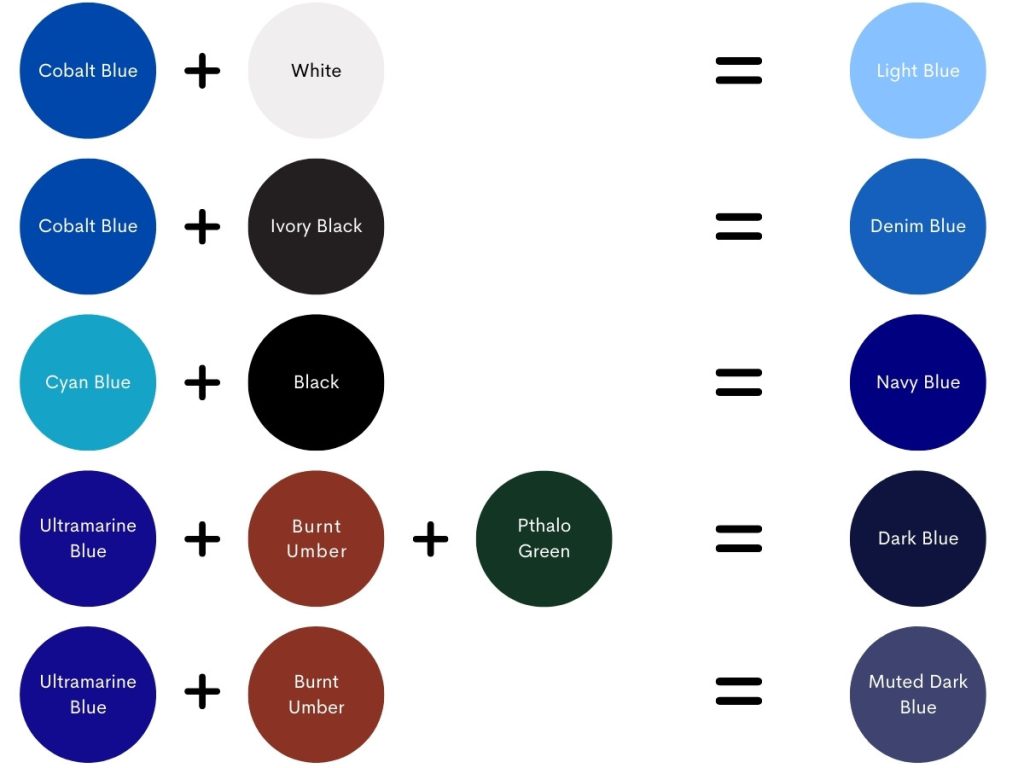
If you run out of blue paint while working on a canvas, your options depend entirely on what tubes remain in your kit. If your palette holds only Cadmium Red Medium, Lemon Yellow, and Burnt Sienna, mixing a blue is physically impossible. Those warm reds and yellows absorb the entire blue spectrum.
However, if you stock modern synthetic organic pigments, you can generate serviceable shades of blue through deliberate pairing:
1. The High-Chroma Mix: Combine Phthalo Green (PG7) with a cool, violet-leaning quinacridone red such as Quinacridone Magenta (PR122) or Dioxazine Purple (PV23). Phthalo green provides intense blue-green reflectance. Blending it with purple or quinacridone magenta eliminates unwanted green wavelengths without muddying the mixture with yellow, leaving a deep navy tone.
2. Shifting Blue Temperatures: Working with an existing base blue allows extensive modification without purchasing dozens of dedicated tubes:
- Sky Blue: Blend Phthalo Blue with Titanium White and a microscopic pinprick of Yellow Ochre to counter excessive synthetic glow.
- Deep Ocean Navy: Mix Ultramarine Blue with Burnt Umber to create a desaturated chromatic black-blue without relying on deadening carbon black.
- Warm Turquoise: Introduce small amounts of Cadmium Yellow Light to Cerulean Blue (PB35) to swing the temperature warm while maintaining high opacity.
Marcus Vance is a cybersecurity auditor and technology writer dedicated to educating the public about online safety, data privacy regulations, enterprise security, and emerging cyber threats.
