Blood Type Compatibility Matrix: Visual Guide to Universal Donors vs Receivers
 By Maya Lin-Takahashi
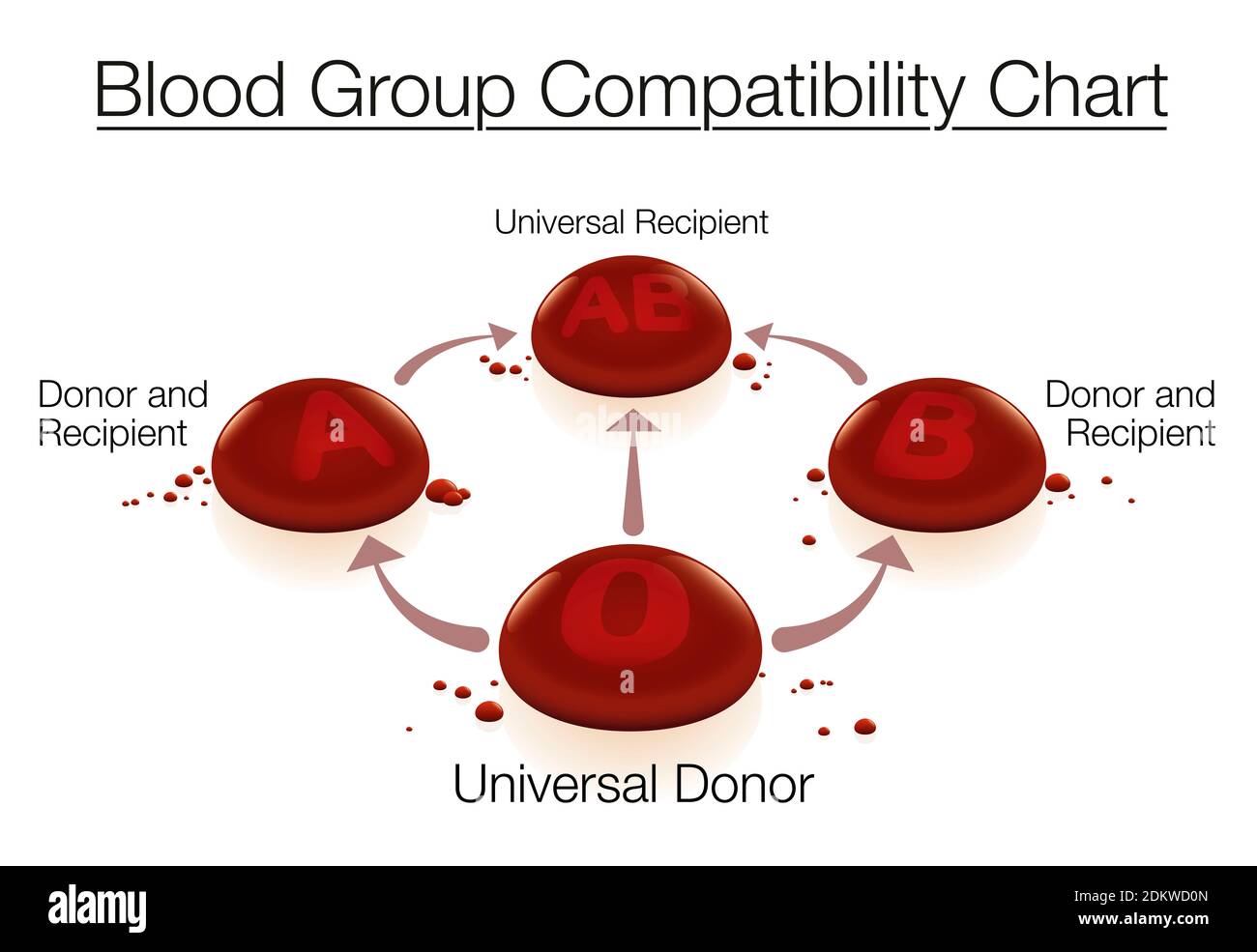
Q1: Can an AB positive person donate red blood cells to someone with Type A or Type B blood?
No. An AB positive person carries both A and B antigens on their red cells. If their red blood cells enter a Type A patient, the recipient's anti-B antibodies will attack the cells. If infused into a Type B patient, the host's anti-A antibodies will destroy them. AB positive individuals can only donate packed red blood cells to other AB positive patients.
Q2: What happens if an AB positive patient receives Rh-negative blood?
Nothing adverse occurs. An Rh-positive individual already has the RhD protein on their cell surfaces, meaning their body does not view the lack of an Rh marker on Rh-negative donor cells as a foreign threat. An AB positive individual can safely receive AB negative, A negative, B negative, or O negative red blood cells.
Q3: Why don't emergency departments give AB positive patients AB plasma during trauma resuscitations?
They do whenever it is available. AB plasma contains no anti-A or anti-B antibodies, making it universally safe for all patients. Because of this universal compatibility, blood banks frequently experience severe shortages of AB plasma, reserving it primarily for unidentified emergency trauma cases before typing is complete.
Maya is a hardware enthusiast who tests and reviews smart home devices, smartphones, wearables, and audio gear. She focuses on practical consumer value and build quality.
