Background App Refresh vs Push Notifications: the Truth Behind the Persistent Battery Myth
 By Sarah Jenkins
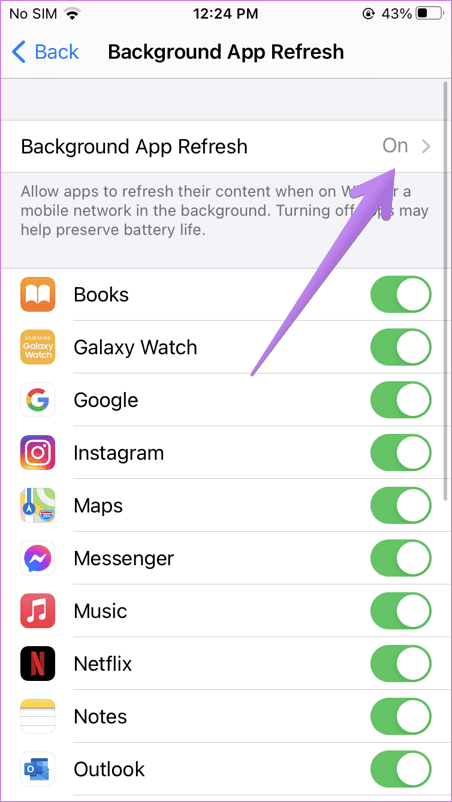
Background updates do not run on an unyielding, synchronized clock. Your phone does not indiscriminately wake up eighty apps at 3:00 AM to fetch feeds. Instead, modern mobile operating systems rely on predictive heuristic algorithms.
iOS tracks device usage routines locally. If you consistently open a financial portfolio app at 7:15 AM every weekday, iOS grants that software an execution window around 7:08 AM. It pulls live exchange rates and portfolio valuations so the interface stands ready the second you tap the glass. If you rarely open an app, the system strips its background allotment down to near zero.
External battery health and signal conditions also govern these background calls. An iPhone sitting on two bars of cellular reception with an aging battery will throttle background execution intervals automatically.
On Android, Google balances this equation using explicit Doze states. Once an Android phone remains stationary and unplugged for an extended stretch, the operating system forces background tasks into maintenance windows. These windows grow progressively further apart as standby duration increases, ensuring dormant apps do not consume system resources while you sleep.
Sarah Jenkins is a veteran tech journalist with over 12 years of experience covering artificial intelligence, mobile innovations, and digital ethics. Her insights have appeared in leading technology publications worldwide.
