Authentic Mexican Queso Con Chiles Vs. Tex-Mex Chile Con Queso
 By Chloe Bennett
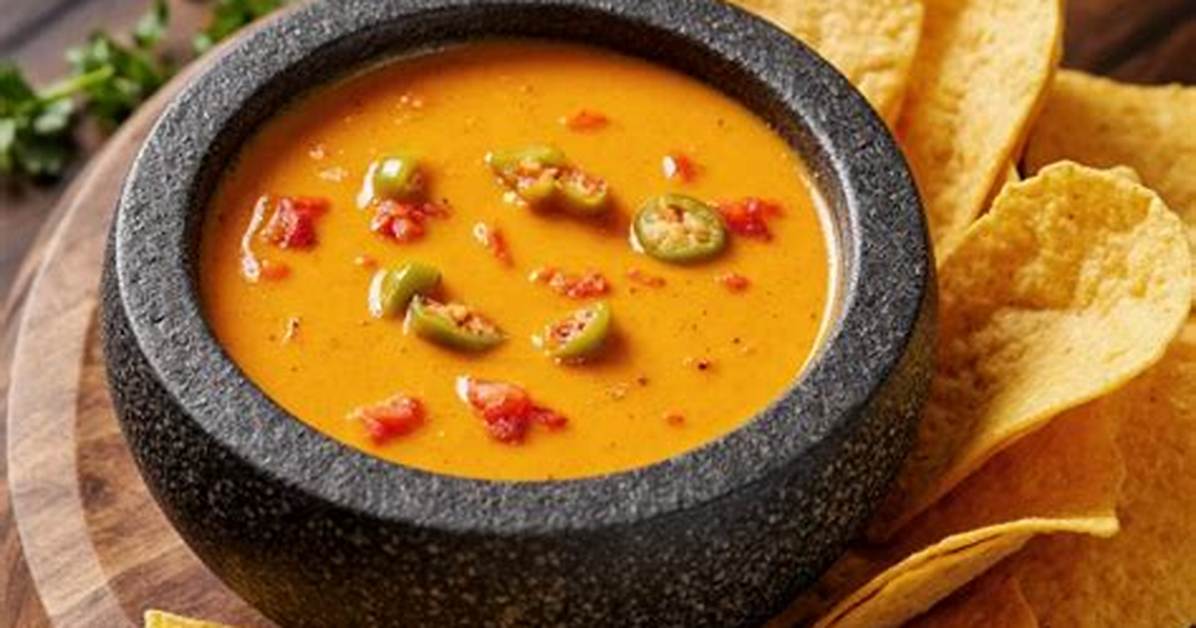
In central and northern Mexico, cooking curds with nightshades begins with fire rather than a saucepan. Traditional rajas con queso centers on fresh poblano peppers charred directly over open embers until their glossy green skins blister and peel away. Cooks slice the flesh into tender ribbons, sweating them alongside white onions, garlic, and Mexican oregano in lard or neutral oil. Only in the final moments of heat does cheese touch the pan.
The dairy used here bears little resemblance to processed yellow blocks. Cooks reach for queso Oaxaca, a hand-stretched pasta filata cheese that shreds into fibrous ribbons, or queso asadero, an unpressed cow’s milk curd prized across Chihuahua and Durango for its gentle melting profile. A third element often enters the skillet: a splash of Mexican crema or raw milk, used sparingly to bind the pan drippings without liquefying the solids. Some northern households fold in crumbled queso fresco or aged cotija, allowing the salted table cheese to soften against the pepper’s heat without losing its grainy crumb.
The end product is not a dip. Eaten with warm, freshly pressed corn tortillas, authentic Mexican food treats this preparation as a substantial guisado (stewed dish). You tear a piece of maize, scoop a tangled knot of smoky chile strips and elastic curds, and consume it immediately before the proteins seize.
Chloe Bennett explores the intersection of pop culture, streaming entertainment, digital trends, and contemporary lifestyle. Her weekly commentary reaches thousands of culture enthusiasts.
