Artifacts of Cochise Stronghold: Tracing Ancient Tools, Rock Art, and Living Heritage
 By Sophia Al-Mansoor
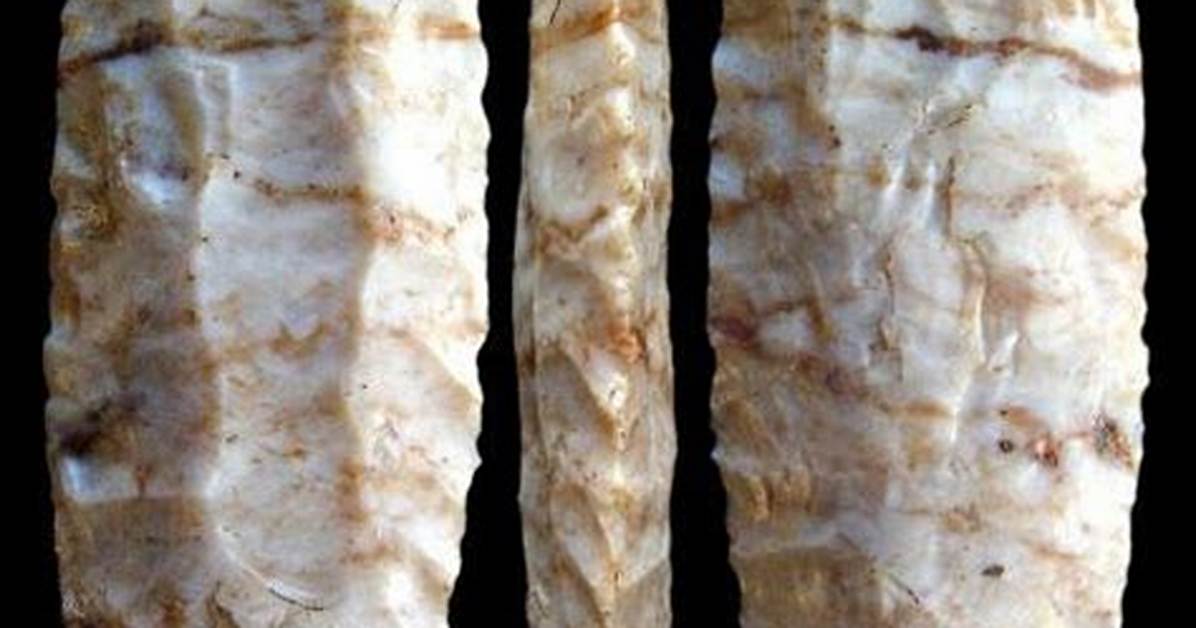
What is the difference between the Cochise culture and the Chiricahua Apache?
The Cochise culture is an archaeological classification referring to Archaic hunter-gatherer populations who inhabited southeastern Arizona and southwestern New Mexico between approximately 7000 BCE and 200 BCE. The Chiricahua Apache are an Athabaskan-speaking indigenous nation that migrated into the Southwest centuries later, with documented historical presence in the Dragoon Mountains through the 19th century and enduring living traditions today.
Can the public visit archaeological sites inside Cochise Stronghold?
Yes. The Cochise Stronghold recreation area, situated within the Coronado National Forest, offers trails such as the Cochise Trail (Trail #279). Hikers can view native geological formations, historic camps, and visible rock art panels. Visitors are strictly prohibited from touching pictographs, climbing on marked panels, or collecting artifacts of any kind.
Why are milling stones and metates so common in Archaic Southwest sites?
Archaic foragers relied heavily on dense, hard-shelled wild seeds, such as mesquite pods, dropseed grass, and acorns. Flat and basin metates allowed communities to crack, crush, and mill these fibrous plant foods into flour for breads or mushes, providing the primary caloric foundation of their seasonal diet.
Sophia analyzes international trade, startup ecosystems, retail transformation, and supply chain logistics for modern digital publications.
