Are Electric Screwdrivers Actually Worth Buying? What the Specs Don't Tell You
 By Sarah Jenkins
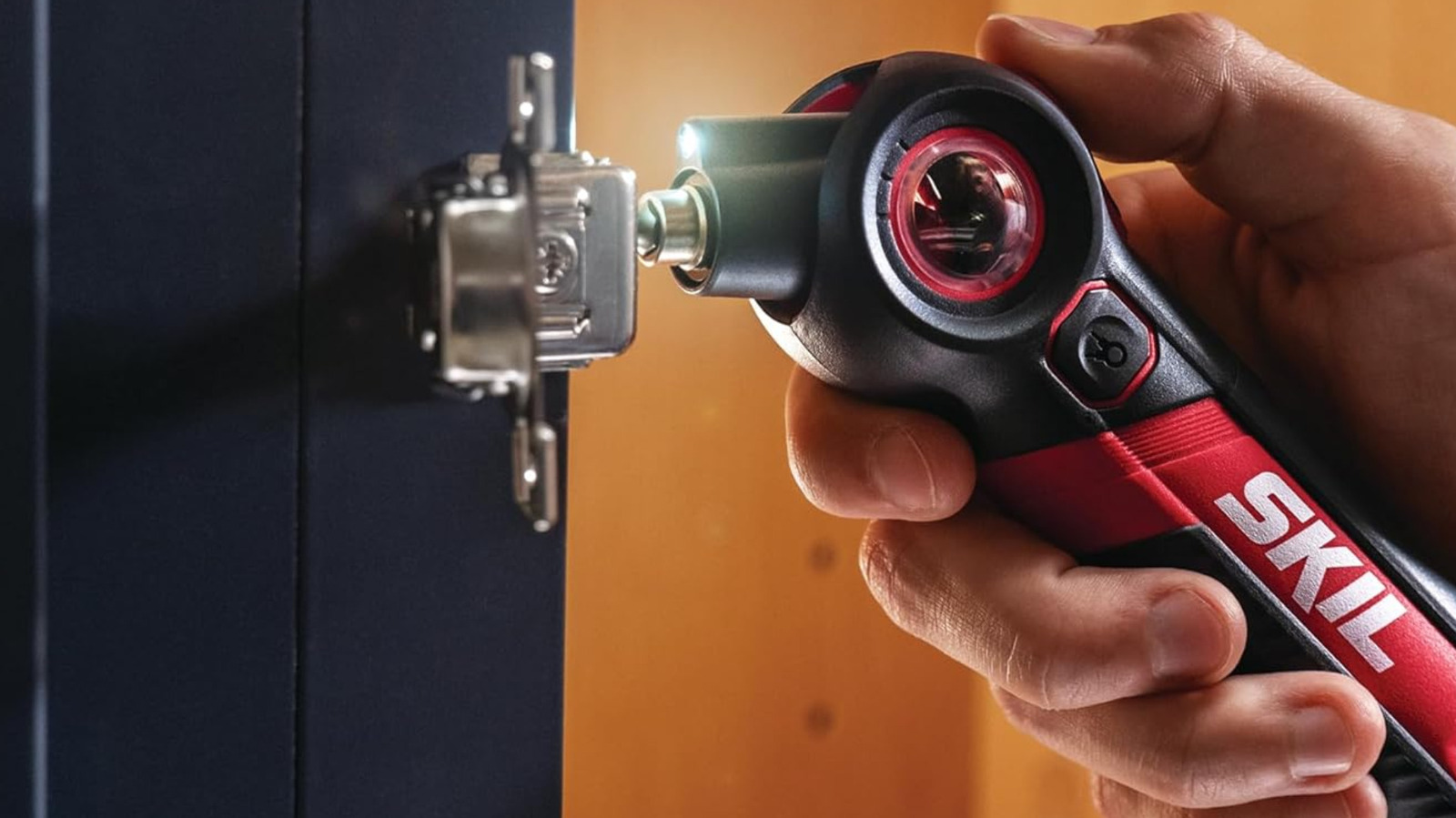
The difference between a broken screw and a secure connection is the clutch. Low-cost electric drivers omit a mechanical clutch entirely, relying solely on the user releasing the power paddle. That split-second delay frequently strips soft metal screws.
High-quality units feature adjustable clutch settings that mechanically disengage the drive shaft once the fastener reaches an exact resistance threshold. This function is essential for precision screw driving, especially on electronics or flat-pack composite wood where one overtightened thread ruins the entire panel.
The connection point between the tool and fastener deserves scrutiny. A secure 1/4-inch magnetic hex bit holder keeps bits straight under load. Budget drivers often suffer from chuck runout, a slight rotational wobble that causes screwdriver tips to slip out of screw slots, stripping the fastener head. Better models integrate a quick-release collar sleeve that locks bits securely, eliminating play.
Equally critical is an automatic manual spindle lock. When an electric driver runs out of torque on an aged, rusted screw, you must apply arm force to break it free. If the internal spindle does not lock rigid mechanically, your turning force spins through the motor gearbox, destroying the internal planetary teeth. A proper spindle lock allows you to treat the unpowered tool exactly like a heavy-duty manual driver.
Sarah Jenkins is a veteran tech journalist with over 12 years of experience covering artificial intelligence, mobile innovations, and digital ethics. Her insights have appeared in leading technology publications worldwide.
