Why Traditional Bounty Hunting Is Illegal in Florida: the Hidden Felony Risk
 By Elena Rostova
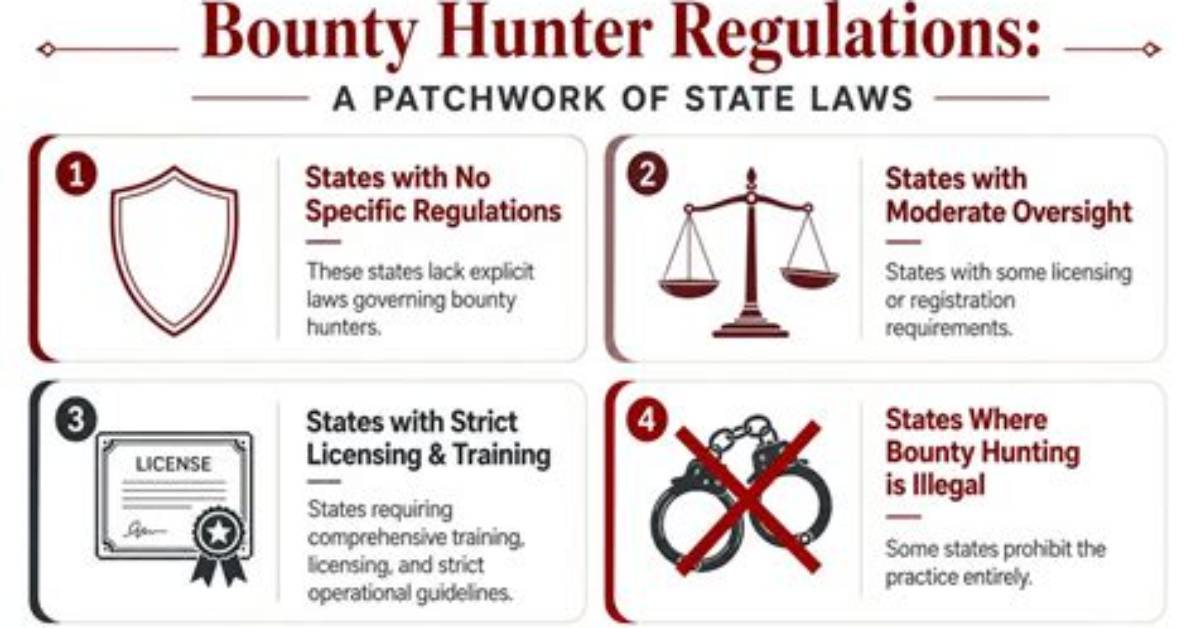
Holding an active Type 2-20 license provides statutory power to arrest an absconder, but those powers remain bounded by state statutes and constitutional safeguards.
Florida bail bond agents possess authority derived from the bail agreement and Florida Statute § 648.442. When a defendant misses their court appearance, the court issues a bench warrant (capias) and estreats the bond. The surety agent can then arrest the principal anywhere within the borders of Florida or surrender them directly to the county jail.
That authority is far from absolute:
- Third-Party Residences: Agents cannot forcibly enter the home of a third party to search for an absconding defendant without independent consent or a judicial search warrant executed by sworn police officers.
- Out-of-State Fugitives: Out-of-state bondsmen cannot enter Florida, put an absconder in cuffs, and transport them across state lines. The Florida Supreme Court and statutory provisions dictate that out-of-state recovery agents must notify local Florida law enforcement, employ local licensed Florida surety agents, or initiate formal interstate extradition proceedings.
- Surety agents hold no higher use-of-force authorizations than ordinary citizens defending themselves. Unlawful force, reckless firearm deployment, or reckless vehicle pursuits lead straight to criminal indictments.
Modern recovery relies heavily on digital forensics rather than tactical entry. Agents spend hours tracking social media footprints, parsing utility registrations, verifying employment records, and interviewing acquaintances before setting foot in the field.
Elena Rostova holds a Master's degree in Public Health Journalism. She covers groundbreaking medical research, holistic wellness trends, mental health awareness, and nutritional science.
