Why Parks and Recreation Aged Remarkably Well: the Leslie Knope Blueprint
 By Elena Rostova
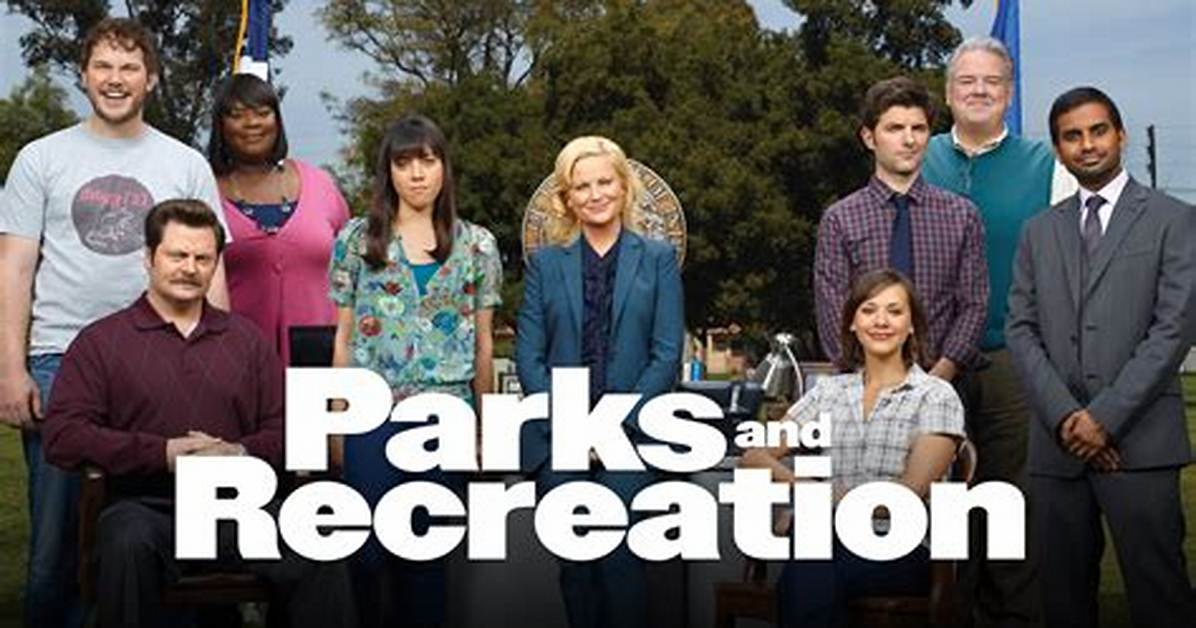
When Parks and Recreation debuted on NBC in April 2009, critics dismissed it as a pale imitation of The Office. Early episodes framed Leslie Knope as an oblivious, dim-witted proxy for Steve Carell’s Michael Scott. She misunderstood town meetings, blundered through civic presentations, and seemed entirely unsuited for her desk at the Parks and Recreation Department in fictional Pawnee, Indiana. Audience focus groups reacted coolly to a protagonist who appeared delusional rather than driven.
Co-creators Greg Daniels and Michael Schur executed one of modern television's sharpest mid-course corrections before launching Season 2 in the fall of 2009. They ceased mocking Knope’s passion. Instead, they made her formidable. Schur retooled the scripts so Leslie knew the municipal code by heart, could out-filibuster corrupt adversaries, and routinely outworked every private-sector lobbyist in the county. Her eccentricity became a byproduct of her hyper-competence rather than a substitute for it.
Amy Poehler anchored this shift by injecting manic, earnest physical comedy into what could have been a dry parody of bureaucracy. Knope was no longer the butt of the joke. The joke became the absurd apathy of Pawnee’s citizenry, contrasted against a woman who genuinely believed a filled-in construction ditch could alter the trajectory of human history.
Elena Rostova holds a Master's degree in Public Health Journalism. She covers groundbreaking medical research, holistic wellness trends, mental health awareness, and nutritional science.
