Why Most Smart Home Setups Fail—and How to Actually Do It Right
 By James H. Sterling
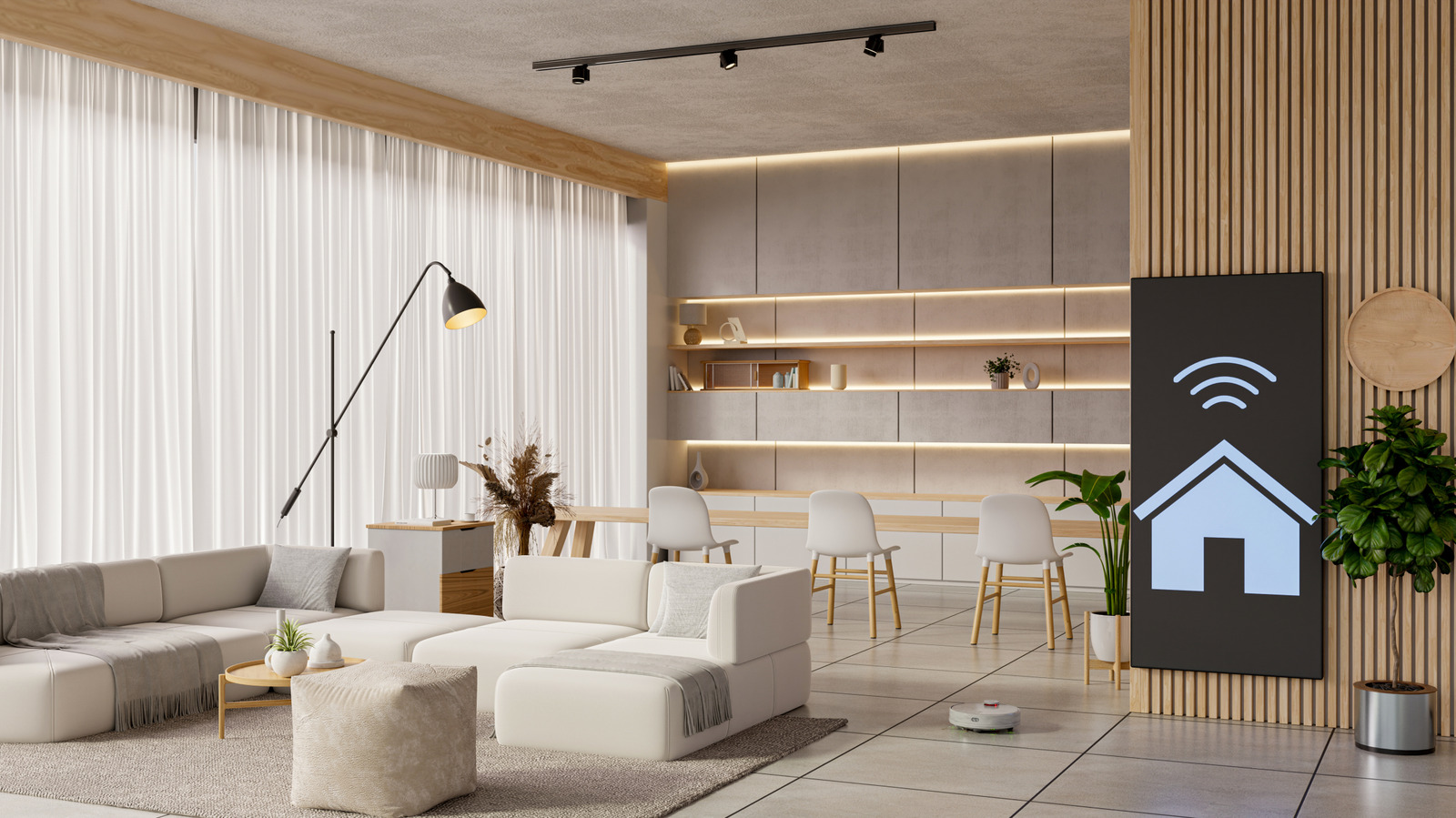
Yelling wake words across a noisy dining room to dim the lights is not automation; it is vocal remote control. When voice engines mishear room names or fail during internet drops, household trust in the hardware collapses. The objective of sustainable smart design is friction elimination.
Effective home automation routines rely on context and multi-condition logic. Using automated scheduling alongside presence detection transforms static schedules into adaptive environments. A hallway sensor should activate a dim amber path light between 11:00 PM and 6:00 AM if motion is detected, but trigger bright white illumination during daytime cleaning hours. Connecting physical wall switches with built-in relays allows ordinary light fixtures to operate smart automations without stranding visitors who instinctively reach for physical switches.
Similarly, proper smart thermostat configuration moves beyond a simple time-of-day clock. Pairing modern climate hardware with door and window contact sensors prevents HVAC units from heating the outdoors when a patio slider stays ajar for longer than three minutes. Adding indoor humidity readings and dynamic room temperature balancing lets the system optimize airflow based on occupied zones rather than an arbitrary hallway thermostat wall reading.
James Sterling reports on renewable energy developments, climate policy, ecological conservation, and green tech innovations around the globe.
