Why Most People Use 'Acquiesce' Wrong: Common Blunders and Instant Fixes
 By Elena Rostova
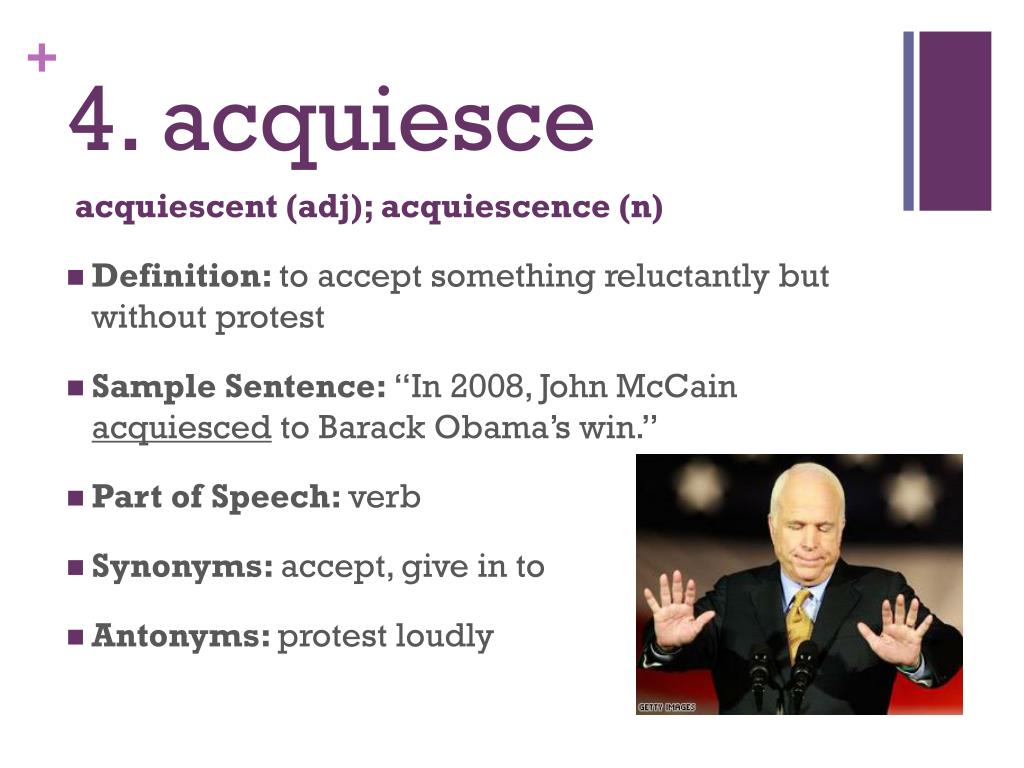
Grammatical accuracy means little if the underlying definition is misapplied. The word traces back to the Latin acquiescere, meaning "to find rest in" or "to remain quiet." That etymology governs its contemporary semantic profile. The precise acquiescence definition centers on silent submission, non-resistance, and passive consent.
It does not mean enthusiastic collaboration. If a union negotiations team secures a landmark pension increase after months of strike action, the company did not "happily acquiesce" to the union's brilliance. They surrendered leverage. They yielded ground. Using the word in scenarios where both parties actively celebrate an accord demonstrates a tone-deaf reading of vocabulary in context.
In legal doctrine, acquiescence often carries evidentiary weight. If a property owner watches a neighbor build a fence across their boundary line and remains silent for years, the legal system may determine that the owner acquiesced in the trespass. The concept implies that silence equals consent. When deploying the word in business documentation or analytical writing, ensure the subject is yielding reluctantly or declining to lodge a formal protest.
Elena Rostova holds a Master's degree in Public Health Journalism. She covers groundbreaking medical research, holistic wellness trends, mental health awareness, and nutritional science.
