Why More Doctors Are Prescribing Intuniv for Add over Classic Stimulants
 By Sarah Jenkins
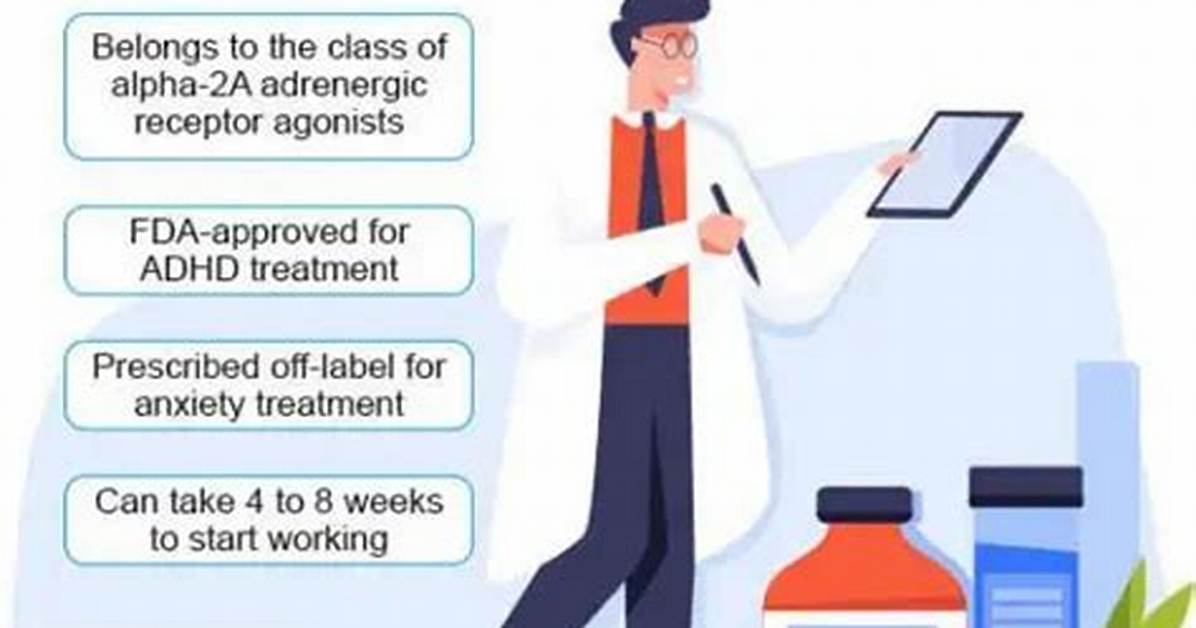
To understand why doctors choose Intuniv, one must examine how the human brain filters distraction. Classical stimulants flood the striatum and nucleus accumbens with dopamine and norepinephrine by blocking reuptake transporters or forcing vesicular release. This biological surge produces the intense, razor-sharp focus typical of dextroamphetamine, but it also carries increased heart rates, teeth-grinding, and anxious jitters.
Intuniv takes a much quieter, structural route. As a selective alpha-2A adrenergic receptor agonist, the drug binds directly to post-synaptic alpha-2A receptors lining the dendritic spines of pyramidal neurons within the prefrontal cortex. This region acts as the primary switchboard for executive function: planning, sustained attention, impulse inhibition, and short-term working memory.
When guanfacine latches onto these specific receptor sites, it closes open hyperpolarization-activated cyclic nucleotide-gated (HCN) ion channels. Closing these microscopic pores prevents electrical current from leaking out of the neuron. Signals traveling through the prefrontal cortex suddenly strengthen, effectively boosting the signal-to-noise ratio of incoming environmental stimuli. The patient does not experience the wired sensation of a stimulant. Instead, distracting external noise fades, emotional triggers feel less catastrophic, and the brain holds instructions in active memory with substantially less effort.
Sarah Jenkins is a veteran tech journalist with over 12 years of experience covering artificial intelligence, mobile innovations, and digital ethics. Her insights have appeared in leading technology publications worldwide.
