Why 'Mom I Frew Up' Refuses to Die: the Unstoppable Rise of Internet Culture's Most Relatable Meme
 By Sarah Jenkins
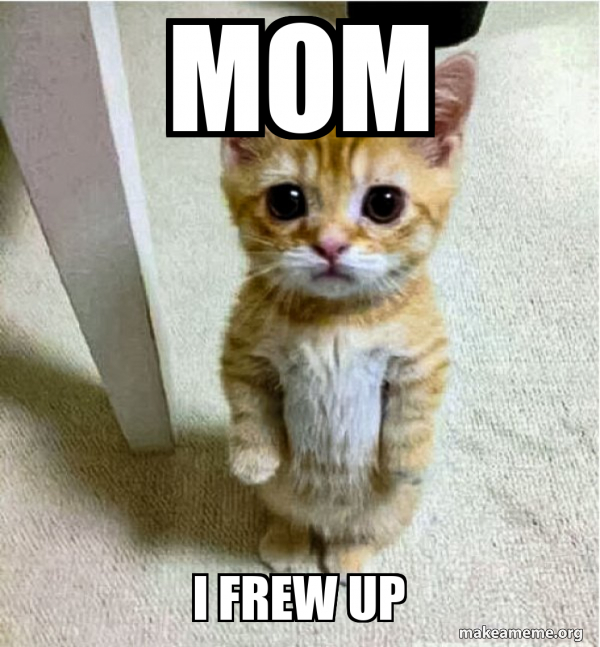
Tracing the digital footprint of the joke reveals a clear shift in how humor circulated during the late 2010s. According to community archives on Know Your Meme, the phrase began circulating around 2017 and 2018 across weird-Twitter and shitposting subreddits. Early iterations paired the deliberate toddler misspelling with distorted, unsettling low-poly models: an awkwardly posed Mike Wazowski from Monsters, Inc., a broken T-posing video game avatar, or an off-kilter 3D render of Sans from Undertale standing limp-armed under fluorescent basement lighting.
These early reaction images worked through dissonance. The visuals were unnerving, but the caption was utterly defenseless. By 2019, the template had broken out of surreal image forums and landed squarely in mainstream feeds. The physical posture, arms dangling, shoulders slumped, head tilted forward in complete helplessness, became an established visual shorthand. Posters no longer needed to explain the scenario; placing any character in that posture alongside five misspelled words communicated absolute defeat.
The format quickly cemented itself alongside standard reaction image formats like "Disaster Girl" or "Woman Yelling at a Cat." Yet while those memes rely on external confrontation or defiance, the sick-at-night meme operates on complete submission. The speaker is not threatening anyone; they are reporting a catastrophe they caused and cannot clean up alone.
Sarah Jenkins is a veteran tech journalist with over 12 years of experience covering artificial intelligence, mobile innovations, and digital ethics. Her insights have appeared in leading technology publications worldwide.
