Why Is a Dime Smaller Than a Penny? the Surprising Secret Behind Us Coin Sizes
 By Chloe Bennett
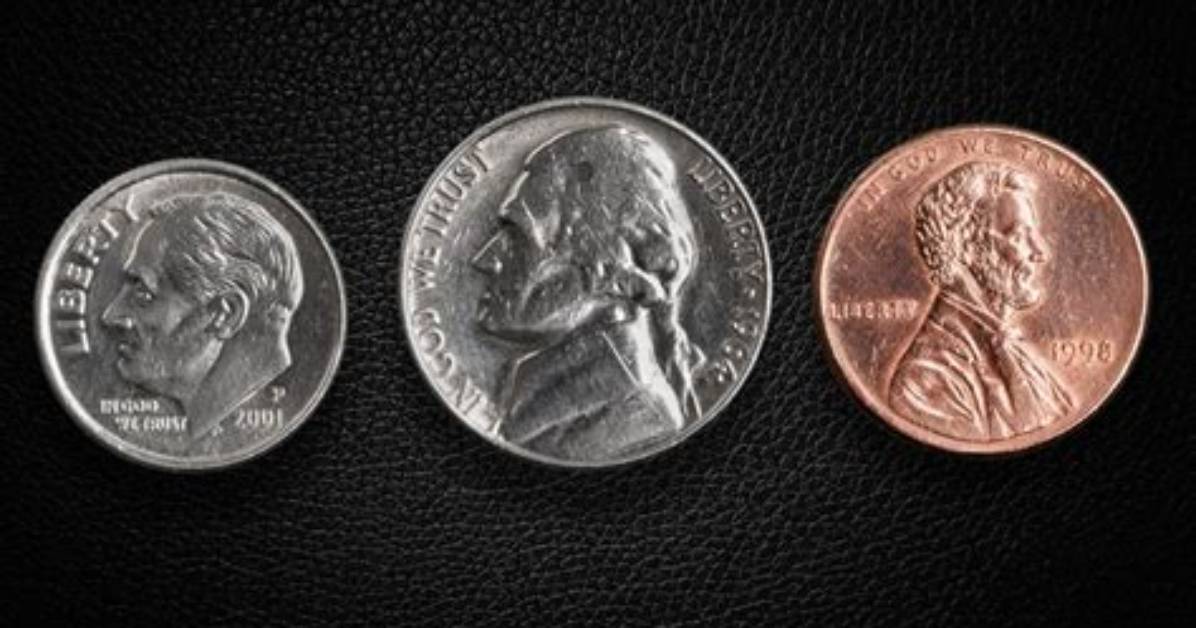
A direct comparison of circulating coins demonstrates how the legacy of the silver standard broke the logical progression of denomination versus physical volume. The dime remains an outlier across every physical metric:
| Denomination | Diameter (mm) | Thickness (mm) | Weight (g) | Standard Edge |
|---|---|---|---|---|
| Penny (1 Cent) | 19.05 mm | 1.52 mm | 2.500 g | Plain (Smooth) |
| Nickel (5 Cents) | 21.21 mm | 1.95 mm | 5.000 g | Plain (Smooth) |
| Dime (10 Cents) | 17.91 mm | 1.35 mm | 2.268 g | Reeded (118 ridges) |
| Quarter (25 Cents) | 24.26 mm | 1.75 mm | 5.670 g | Reeded (119 ridges) |
| Half Dollar (50 Cents) | 30.61 mm | 2.15 mm | 11.340 g | Reeded (150 ridges) |
The penny out-measures the dime by 1.14 mm across its diameter and outweighs it by nearly a quarter of a gram. The nickel is more than double the dime’s total mass. The dime only regains proportionate logic when stacked directly against silver-heritage denominations: two dimes roughly equal the weight of a quarter, and five dimes equal a half dollar.
Chloe Bennett explores the intersection of pop culture, streaming entertainment, digital trends, and contemporary lifestyle. Her weekly commentary reaches thousands of culture enthusiasts.
