Why Handmade Crochet Gifts Are Outselling Mass-Market Retailers This Season
 By James H. Sterling
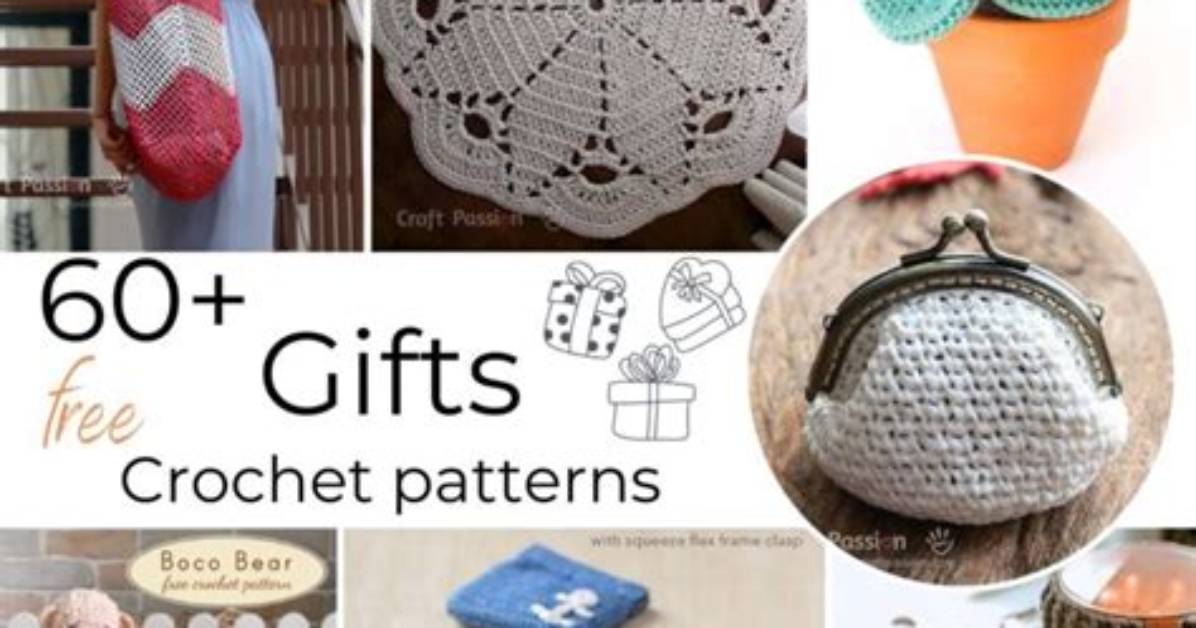
Q1: Why are handmade crochet items priced significantly higher than commercial knitwear?
A1: Commercial knitwear is produced rapidly on high-speed industrial knitting machines that require minimal human supervision. True crochet cannot be executed by machinery; every single stitch requires manual labor, hook manipulation, and tension control by a human crafter. When purchasing authentic crochet, buyers are paying for skilled artisan labor hours alongside raw material expenses.
Q2: What is the best yarn material to look for when buying or making gifts?
A2: Yarn selection depends entirely on the object’s end use. Kitchen accessories and market totes demand 100% natural cotton for heat resistance, absorbency, and structural strength without stretching out. Wearables like scarves and beanies perform best in superwash merino wool or bamboo blends, which offer soft drape and breathability. For amigurumi toys, anti-pilling acrylic or velvety chenille provides smooth stitch definition and easy surface cleaning.
Q3: How should a recipient clean and care for a handmade crochet gift?
A3: Most handmade fiber pieces should be gently submerged in cool water using a no-rinse wool wash, gently pressed between dry towels to remove excess water, and laid flat to dry away from direct heat. Machine washing or hanging wet items causes immediate stretching, misshapen stitches, and severe fabric pilling.
James Sterling reports on renewable energy developments, climate policy, ecological conservation, and green tech innovations around the globe.
